
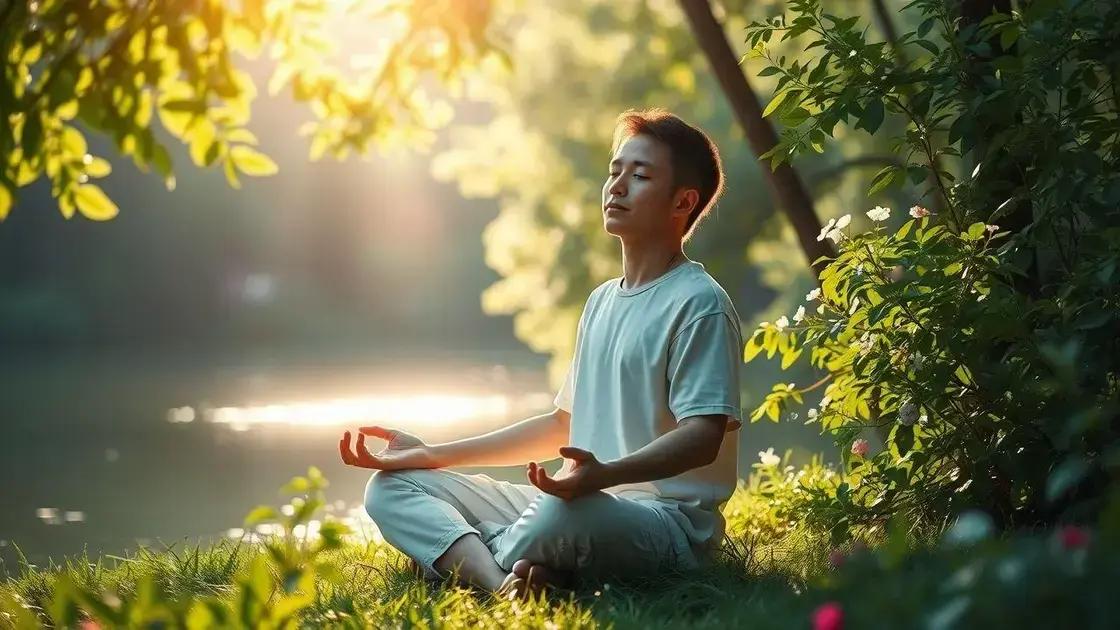
Stressbewältigung, Leitfaden, Frauen provides practical strategies like mindfulness, healthy routines, nutrition, and seeking professional help to effectively manage and reduce stress in women’s daily lives.
Stressbewältigung, Leitfaden, Frauen – hast du das Gefühl, der Alltag fordert zu viel? Viele Frauen kennen das: innere Unruhe mischt sich mit Erschöpfung. Hier findest du Wege, die mehr als nur oberflächlich helfen.
Wie sich stress auf körper und geist auswirkt
Stress affects both the body and mind in many ways. When you face stress, your nervous system triggers the release of hormones like cortisol and adrenaline. These hormones prepare your body for a “fight or flight” response, causing your heart rate and blood pressure to rise.
Physically, chronic stress can lead to symptoms such as muscle tension, headaches, and digestive problems. You might also experience changes in sleep patterns, feeling tired even after rest. Stress can weaken your immune system, making you more prone to infections.
Mentally, stress can cause anxiety, irritability, and difficulty focusing. Many women notice mood swings, brain fog, or feelings of being overwhelmed. Recognizing these signs early is important to find effective ways to manage stress before it affects daily life deeply.
Understanding how stress impacts your body and mind helps in choosing the right coping strategies. Simple lifestyle adjustments can reduce these negative effects and improve emotional well-being.
Erste schritte zur selbsthilfe bei stressproblemen
Taking the first steps toward self-help with stress is crucial for regaining balance. Start by identifying what triggers your stress—this could be work pressure, family demands, or even internal thoughts.
Journaling can be an effective way to track your feelings and spot patterns. Writing down your stressors and reactions helps increase self-awareness and control.
Another simple step is practicing deep breathing exercises. Just a few minutes a day can calm your nervous system and reduce tension.
Setting small, achievable goals prevents overwhelm. For example, allocate time for short breaks during your day or commit to a short walk outside.
Establishing routines that include regular sleep, healthy meals, and physical activity supports your body’s resilience to stress.
Remember, self-help is about gentle progress and kindness toward yourself, not perfection.
Achtsamkeitsübungen, die wirklich entspannen
Mindfulness exercises can help you relax by focusing your attention and calming your mind. Start with simple breathing exercises: inhale slowly through your nose, hold for a few seconds, then exhale gently through your mouth. Repeat this several times to calm your body.
Body Scan Meditation
This exercise guides you to notice sensations throughout your body. Lie down or sit comfortably, then slowly focus on different parts of your body, from your toes to your head. Notice any tension without trying to change it.
Guided Imagery
Visualize a peaceful scene, like a beach or forest. Imagine the colors, sounds, and smells as if you are really there. This mental escape promotes relaxation and reduces stress.
Regular mindfulness practice can lower blood pressure, improve sleep, and increase emotional resilience. Even a few minutes daily can make a difference in how you handle stress.
Try incorporating mindfulness into daily activities, such as eating or walking. Pay close attention to each moment instead of rushing through tasks. This helps ground you in the present and reduces overwhelming thoughts.
Routinen aufbauen: stress vorbeugen im alltag
Building routines can be a powerful way to prevent stress in everyday life. Start by creating a daily schedule that includes time for work, rest, and self-care. Consistency helps your body and mind know what to expect, reducing feelings of chaos.
Morning Rituals
Begin your day with simple habits like stretching, drinking water, or a few minutes of mindfulness. These small actions set a positive tone and prepare you to face the day calmly.
Work-Life Balance
Establish clear boundaries between work and personal time. Avoid checking emails or phone calls outside work hours to give yourself space to recharge.
Healthy eating and regular exercise are also crucial parts of a stress-preventing routine. Scheduling these activities ensures they become natural parts of your day.
Evening Wind-Down
Develop a relaxing bedtime routine to signal your body it’s time to rest. This might include reading, gentle yoga, or turning off screens an hour before sleep.
Making routines work means being flexible and patient with yourself. Adjust as needed without pressure.
Die rolle von ernährung und bewegung bei stress

Nutrition and physical activity play key roles in managing stress. Eating balanced meals rich in vitamins, minerals, and antioxidants helps your body handle stress better. Foods like fruits, vegetables, whole grains, and lean proteins provide essential nutrients that support brain function and reduce inflammation.
On the other hand, excessive caffeine, sugar, and processed foods can worsen stress symptoms by causing energy crashes or mood swings.
Exercise as a Stress Reliever
Regular physical activity releases endorphins, natural chemicals that improve mood and promote relaxation. Activities like walking, yoga, or cycling can reduce anxiety and improve sleep quality.
Even short bursts of movement during the day can break up stress and increase energy. Try taking a five-minute stretch break during work or a quick walk outside to refresh your mind.
Creating a Healthy Lifestyle
Combining good nutrition with consistent exercise builds resilience against stress. Hydration is also important; drinking plenty of water supports overall health and keeps your body functioning properly.
Remember, small changes in diet and movement can have a significant impact on your ability to cope with daily challenges.
Wann professionelle hilfe sinnvoll sein kann
Seeking professional help can be essential when stress becomes overwhelming or persistent. If stress interferes with your daily life, mood, or relationships, it might be time to talk to a therapist or counselor.
Signs that professional support is needed include chronic anxiety, difficulty sleeping, feelings of hopelessness, or physical symptoms like constant headaches or stomach issues.
Types of Professional Help
Therapists use techniques like cognitive-behavioral therapy (CBT) to help change negative thought patterns. In some cases, medication prescribed by a psychiatrist can assist in managing intense stress or anxiety.
Group therapy or support groups offer a chance to share experiences and gain understanding from others facing similar challenges.
Remember, asking for help is a sign of strength, not weakness. Professionals can provide tools and guidance tailored to your unique needs.
Early intervention often leads to better outcomes, preventing stress from escalating into more serious mental health issues.
Taking charge of your stress management
Managing stress effectively is about understanding your body and mind and finding the right tools that work for you. Small steps like building healthy routines, practicing mindfulness, and seeking support can lead to meaningful change.
Remember, everyone experiences stress differently, and it’s okay to ask for help when needed. Prioritizing your well-being can improve your energy, mood, and overall quality of life.
By being mindful and proactive, women can reclaim their balance and live with greater calm and confidence every day.
FAQ – Stress Management Guide for Women
What are common signs that stress is affecting my health?
Common signs include difficulty sleeping, headaches, muscle tension, mood swings, and feeling overwhelmed.
How can mindfulness exercises help reduce stress?
Mindfulness helps calm the mind by focusing on the present moment, reducing anxiety and improving emotional balance.
Why is building daily routines important for stress prevention?
Routines create consistency and predictability, which help reduce feelings of chaos and improve mental well-being.
What role does nutrition play in managing stress?
Healthy nutrition supports brain function and reduces inflammation, while poor eating habits can worsen stress symptoms.
When should I seek professional help for stress?
If stress disrupts your daily life, causes chronic anxiety, or leads to physical symptoms, professional support can provide effective coping tools.
How does exercise help with stress relief?
Exercise releases endorphins that improve mood and reduce anxiety, while also enhancing sleep quality and energy levels.