

Selbstbewusstsein, Stress, Frauen refers to how stress and hormonal imbalances uniquely affect women’s self-confidence, causing emotional fluctuations, fatigue, and anxiety, which can be managed through daily habits, self-compassion, and natural calming methods.
Selbstbewusstsein, Stress, Frauen – fühlst du dich manchmal, als wäre da eine innere Anspannung, die deinen Alltag erschwert? Viele Frauen spüren das, doch selten spricht man offen darüber. Was, wenn es Wege gäbe, diese Last sanft loszulassen und wieder in deine Kraft zu finden?
Warum Stress das Selbstbewusstsein von Frauen beeinflusst
Stress can deeply affect a woman’s self-confidence by triggering feelings of doubt, anxiety, and fatigue. When faced with constant pressure, the brain often shifts its focus to survival mode, reducing the ability to think clearly and act confidently. High stress levels can cause hormonal imbalances that directly impact mood and self-perception, making it harder to maintain a positive self-image.
Women under stress may notice changes such as increased irritability, difficulty concentrating, and emotional ups and downs. These symptoms can erode the belief in their own abilities and lead to withdrawal from social situations or challenges. Stress also affects physical health, causing symptoms like low energy, which further diminishes confidence.
Understanding this connection is the first step to breaking the cycle. Recognizing signs of stress and their impact helps women take proactive measures to protect their mental health and rebuild their self-esteem. Simple lifestyle adjustments and stress management techniques can restore balance and support a stronger, more confident mindset.
Häufige Symptome von Stress und innerer Erschöpfung
Stress and inner exhaustion often manifest through a range of common symptoms that affect both body and mind. Physically, you might experience persistent fatigue, frequent headaches, muscle tension, and digestive problems like bloating or upset stomach. These signs can seem harmless at first but tend to become more intense if stress continues.
Mentally and emotionally, stress often triggers difficulty concentrating, mood swings, and feelings of irritability or anxiety. Many women report experiences of brain fog, where thoughts feel cloudy or scattered, making everyday tasks challenging.
Sleep disturbances are also frequent symptoms; falling asleep can be difficult, or you might wake up feeling unrefreshed. Over time, this lack of quality sleep adds to the exhaustion, creating a cycle that’s hard to break.
Recognizing these symptoms early is key to managing stress effectively. When the body signals distress through both physical and emotional cues, taking action to reduce stress can prevent deeper burnout and protect overall wellbeing.
Der Zusammenhang zwischen Hormonen und emotionalem Wohlbefinden
Hormones play a crucial role in regulating a woman’s emotional wellbeing. Fluctuations in hormone levels, especially estrogen and progesterone, can directly impact mood, energy, and stress response. Changes in these hormones during menstrual cycles, pregnancy, and menopause often lead to mood swings, anxiety, and feelings of sadness or irritability.
The brain contains hormone receptors that interact with chemicals controlling emotions. When hormone levels are out of balance, this communication can be disrupted, causing emotional instability and decreased resilience to stress. This is why some women feel more sensitive or mentally fatigued during certain phases of their cycle.
Additionally, hormones influence sleep patterns and energy levels. Poor sleep caused by hormonal shifts can worsen emotional symptoms, creating a cycle that affects overall wellbeing. Understanding this link helps women recognize that their feelings are often tied to natural body processes, not just external situations.
Supporting hormone balance through nutrition, exercise, and stress management can improve mood and reduce emotional distress. Hormonal health is key to maintaining a stable and positive mental state.
Alltagsgewohnheiten, die das Stresslevel senken und Kraft geben
Daily habits can greatly influence your stress levels and overall energy. Incorporating simple routines like regular physical activity, balanced nutrition, and mindful breathing helps your body and mind stay resilient against stress. Exercise releases endorphins, known as ‚feel-good hormones,‘ which elevate mood and reduce anxiety.
Eating a diet rich in whole foods, including fruits, vegetables, and healthy fats, supports hormonal balance and energy levels. Avoiding excessive caffeine and sugar can prevent energy crashes and mood swings.
Practicing mindfulness or meditation for even a few minutes each day helps calm the nervous system and improves focus. Creating a consistent sleep schedule is also vital, as quality rest rebuilds energy and sharpens mental clarity.
Setting boundaries for work and personal time, as well as engaging in hobbies or social activities, recharges emotional strength. These everyday habits combine to lower stress and boost your inner power.
Selbstmitgefühl und Körperbewusstsein als Schlüssel zur Selbststärkung
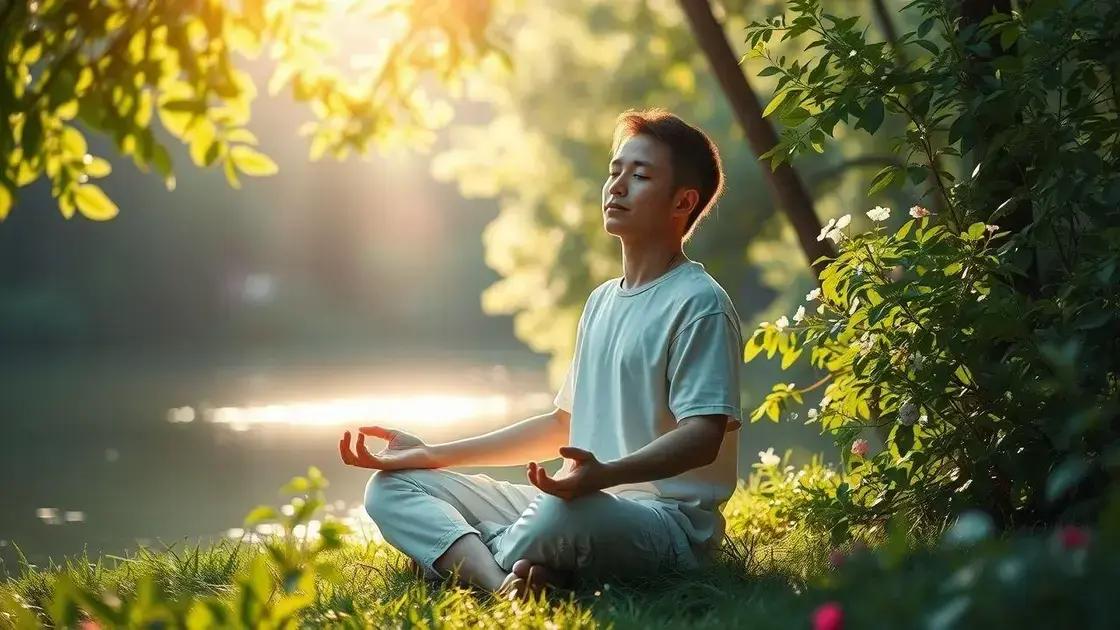
Self-compassion and body awareness are powerful tools for women to rebuild their inner strength. When you treat yourself with kindness instead of harsh judgment, it creates a supportive inner environment that nurtures growth and resilience. This shift in mindset reduces stress and helps manage negative emotions more effectively.
Body awareness involves tuning into your physical sensations, emotions, and needs. Practices like mindful breathing, gentle yoga, or body scans help deepen this connection. Recognizing how stress shows up in your body — such as tension in the shoulders or shallow breathing — allows you to respond with care.
The benefits of self-compassion
Embracing self-compassion leads to increased emotional well-being and a stronger sense of self-worth. It empowers women to face challenges with patience and courage. Instead of trying to be perfect, you learn to accept yourself fully, which strengthens confidence and reduces anxiety.
How body awareness supports empowerment
Being aware of your body signals helps you identify when stress accumulates and take action sooner. It encourages healthier choices, like resting when needed, moving your body, or seeking social support. This attentiveness builds a foundation of self-care that fuels long-term mental and physical health.
Integrating these practices into daily life fosters a deep, lasting connection with yourself, becoming a key to personal strength and balance.
Natürliche Methoden zur Wiederbelebung von Selbstbewusstsein und Ruhe
Natural methods to revive self-confidence and calm include a mix of lifestyle changes, mindfulness practices, and nourishing your body. Herbal remedies like chamomile, lavender, and valerian root can help soothe the nervous system and reduce feelings of anxiety. These herbs are often consumed as teas or used in aromatherapy to promote relaxation.
Incorporating daily mindfulness exercises such as meditation or deep breathing can significantly improve mental clarity and reduce stress. Even a few minutes of focused breathing help activate the parasympathetic nervous system, which fosters a state of calm and self-assurance.
Movement and nature
Gentle physical activity like walking, yoga, or tai chi helps release tension and boost endorphins, the body’s natural mood lifters. Spending time outdoors in green spaces also reconnects you with nature, supporting emotional balance and enhancing feelings of well-being.
Nutrition plays a key role too. Eating balanced meals rich in omega-3 fatty acids, vitamins, and minerals aids brain function and hormone regulation, which are essential for stable moods and confidence.
Prioritizing sleep and creating a calming bedtime routine allows your mind and body to recharge, reinforcing inner peace and self-trust. These natural strategies combined lay a strong foundation for regaining confidence and maintaining emotional calm.
Bringing it all together
Understanding the links between stress, hormones, and self-confidence is essential for women seeking balance. By adopting daily habits, practicing self-compassion, and using natural methods to calm the mind and body, it is possible to regain strength and peace.
Listening to your body and mind helps you make choices that support emotional wellbeing and reduce stress. Small changes add up to big improvements in confidence and calmness.
Remember, healing takes time and patience. With care and consistent effort, you can nurture your inner power and live with greater joy and resilience.
FAQ – Common questions about self-confidence, stress, and women
How does stress affect women’s self-confidence?
Stress can cause hormonal imbalances and emotional instability, which lower self-confidence and increase feelings of anxiety and doubt.
What are common symptoms of stress and exhaustion?
Typical symptoms include fatigue, headaches, mood swings, difficulty concentrating, and sleep disturbances.
How are hormones connected to emotional wellbeing?
Hormones like estrogen and progesterone influence mood and stress response. Imbalances can cause mood swings and emotional sensitivity.
What daily habits help reduce stress and boost energy?
Regular exercise, balanced nutrition, mindfulness practices, sufficient sleep, and setting personal boundaries help lower stress and increase vitality.
How can self-compassion improve inner strength?
Self-compassion fosters kindness towards oneself, reducing harsh self-criticism and supporting emotional resilience and confidence.
What natural methods support regaining calm and confidence?
Herbal teas, meditation, gentle physical activities like yoga, spending time in nature, and proper nutrition can naturally restore calm and self-assurance.