

Moderne Frau, Stress, Herausforderung describes the common pressures faced by modern women and highlights natural methods to manage stress, support hormonal balance, and regain energy through mindfulness, self-care, and healthy daily habits.
Wenn du dich als moderne frau, stress, herausforderung fühlst, bist du nicht allein. Oft schleichen sich Erschöpfung und Unruhe ein, ohne dass man genau weiß, warum. Wie wäre es, wenn du kleine Veränderungen entdeckst, die wirklich etwas bewegen?
häufige stressfaktoren im leben der modernen frau verstehen
In today’s fast-paced world, the modern woman faces various stressors daily that can impact her well-being. Common stress factors include balancing career demands, family responsibilities, and social expectations. Many women also experience pressure to maintain a certain image, which adds emotional strain.
Another significant source of stress is time management. Juggling multiple roles often leaves women with little time for themselves, leading to exhaustion and burnout. Financial concerns and uncertainties can further intensify stress levels.
Health-related worries, such as managing hormonal changes or coping with unexplained fatigue, contribute silently to stress. Environmental factors like noise, pollution, and digital overload also play a role in increasing stress.
Understanding these stress factors is crucial. When recognized, women can begin to find practical ways to manage their daily challenges and regain control over their mental and physical health.
körperliche und emotionale symptome von stress erkennen
Recognizing the physical and emotional symptoms of stress is essential for managing its impact effectively. Physically, stress can cause headaches, muscle tension, fatigue, and sleep disturbances. Women might also notice changes in appetite or digestive problems like bloating.
Emotionally, stress often leads to feelings of irritability, anxiety, and mood swings. It’s common to experience difficulty concentrating or feeling overwhelmed by everyday tasks. Some may feel disconnected or less motivated.
Common physical symptoms
Muscle aches, a racing heart, and sweaty palms often signal stress. Chronic stress might weaken the immune system, making one more prone to colds and infections. These signs shouldn’t be overlooked, as they show how deeply stress affects the body.
Common emotional symptoms
Feelings of restlessness, sadness, or frustration can indicate emotional strain. Stress might also cause brain fog, where thinking clearly becomes a challenge. Recognizing these signs early helps in seeking appropriate support or making lifestyle adjustments.
By paying attention to these symptoms, women can take actionable steps to reduce stress and protect both their mental and physical health.
die auswirkung von stress auf das hormonelle gleichgewicht
Stress has a strong impact on the hormonal balance in the body, especially for women. When the body encounters stress, it releases hormones like cortisol and adrenaline to help respond to the challenge. However, chronic stress keeps these hormone levels high, which can disrupt the natural hormonal cycle.
Cortisol, known as the stress hormone, can interfere with reproductive hormones such as estrogen and progesterone. This imbalance may lead to irregular menstrual cycles, increased PMS symptoms, and mood swings.
High stress levels can also affect the thyroid gland, impacting metabolism and energy levels. Women might experience fatigue, weight gain, or difficulty losing weight as a result.
Impact on sleep and mood
Hormonal imbalances caused by stress can disrupt sleep, leading to insomnia or restless nights. Poor sleep then worsens stress and hormone regulation, creating a challenging cycle.
Emotional symptoms such as anxiety, irritability, and depression are often linked to hormonal changes driven by ongoing stress. Understanding these links can help women look for solutions that support both mental health and hormonal balance.
natürliche methoden zur stressreduktion im alltag
There are many effective natural methods to reduce stress in everyday life. Practicing mindfulness and meditation can help calm the mind and lower cortisol levels. Even a few minutes a day can improve focus and emotional stability.
Regular physical activity is another powerful way to manage stress. Activities like walking, yoga, or swimming release endorphins, the body’s natural mood boosters. Exercise also supports better sleep and overall health.
Balanced nutrition
Eating a balanced diet rich in fruits, vegetables, and whole grains supports hormone regulation and energy levels. Avoiding excessive caffeine and sugar can prevent mood swings and energy crashes.
Creating a daily routine that includes time for relaxation is key. This can mean reading a book, enjoying nature, or simply taking deep breaths during busy moments.
Social connections and talking with friends or family also provide emotional support and reduce feelings of isolation.
Incorporating these natural stress relief methods into your life helps build resilience and improves mental and physical well-being.
selbstfürsorge und achtsamkeitsrituale für mehr gelassenheit
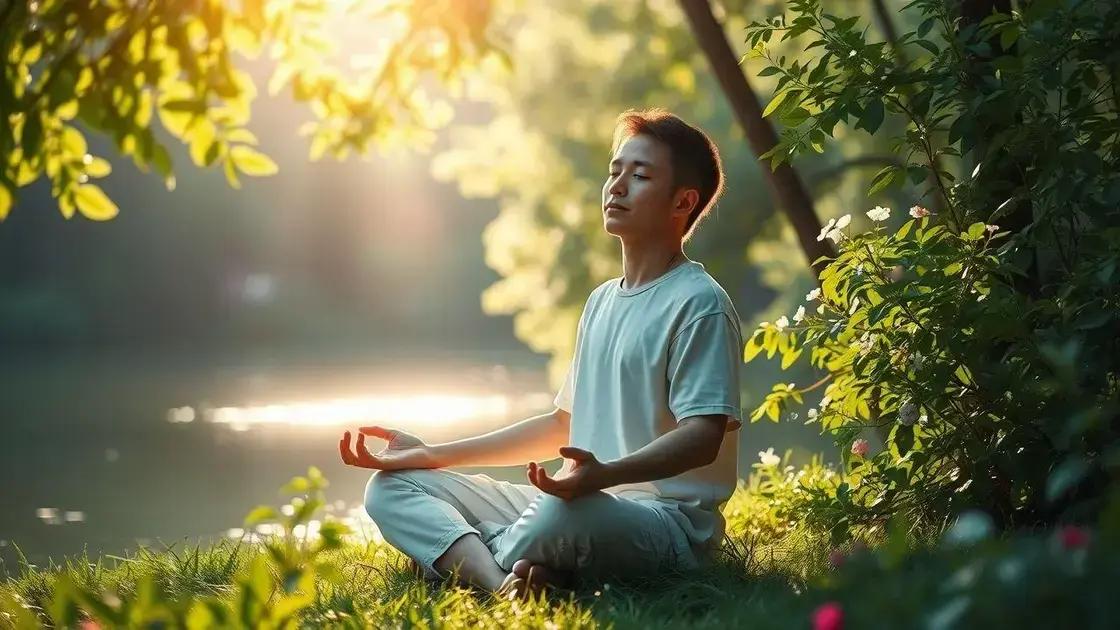
Self-care and mindfulness rituals play a vital role in helping women find calm and balance amid daily stress. Setting aside time each day for activities focused on relaxation boosts mental clarity and emotional well-being.
Simple mindfulness practices
Practicing mindful breathing or short meditation sessions can help reduce anxiety and refocus the mind. Just a few minutes of paying full attention to the present moment can lower heart rate and promote peace.
Creating a self-care routine
Incorporate activities like journaling, gentle stretching, or a warm bath into your daily schedule. These rituals provide a break from constant demands and nurture both body and mind.
Pay attention to your body’s signals and respond with kindness. Eating nutritious meals, staying hydrated, and getting enough sleep are also essential parts of self-care.
Building these habits consistently supports resilience and helps women face challenges with greater ease and confidence.
wie kleine veränderungen langfristig zu mehr energie führen
Small changes in daily habits can lead to significant boosts in energy over time. Improving sleep quality by setting a regular bedtime helps the body restore and recharge. Avoiding screens an hour before bed supports better rest.
Incorporating short bursts of physical activity, like stretching or walking, increases circulation and alertness. Drinking enough water throughout the day prevents dehydration, which can cause tiredness.
Nutrition and energy
Choosing balanced meals with protein, healthy fats, and complex carbs stabilizes blood sugar and sustains energy. Limiting sugar and processed foods prevents crashes and irritability.
Mindful breathing exercises reduce stress and refresh the mind. Gradually, these small shifts create a positive cycle of better focus, improved mood, and higher stamina.
Consistency is key: over weeks and months, these changes build resilience and help the modern woman meet daily challenges with renewed vitality.
finding balance amid stress and challenges
Stress is a common experience for the modern woman, but understanding its effects and learning to manage it can make a big difference. Small, natural changes in daily habits, self-care routines, and mindfulness practices help bring calm and renewed energy.
By recognizing stress symptoms early and taking steps to support hormonal balance and mental well-being, women can face life’s challenges with more strength and confidence.
Remember, building these habits gradually creates lasting benefits for both body and mind, helping you live a more balanced and fulfilling life.
FAQ – common questions about managing stress for the modern woman
What are the main causes of stress for modern women?
Balancing work, family, social expectations, and managing personal health are common stress factors for modern women.
How can I recognize if stress is affecting my hormonal balance?
Symptoms like irregular periods, mood swings, fatigue, and sleep disturbances may indicate that stress is impacting your hormones.
What natural methods can help reduce daily stress?
Mindfulness, regular exercise, balanced nutrition, and adequate sleep are effective natural ways to manage stress.
How does self-care improve mental health?
Self-care activities like meditation, journaling, and relaxation help reduce anxiety and improve emotional resilience.
Can small daily changes really boost my energy levels?
Yes, simple habits such as regular sleep schedules, hydration, and light physical activity can significantly increase your energy over time.
When should I seek professional help for stress?
If stress causes persistent physical or emotional symptoms that interfere with daily life, it is important to consult a healthcare professional.