

Mental resilience helps women manage stress by improving emotional strength through mindfulness, self-care, physical activity, and support networks, enabling them to handle unique hormonal and social challenges effectively.
Mentale resilienz, stress, frauen ist nicht einfach ein Schlagwort – es beschreibt, wie frauen mit druck und belastungen besser umgehen können. Haben Sie sich schon gefragt, warum stress heute so präsent ist und wie Sie ihn leichter bewältigen können? In diesem Text entdecken Sie, wie innere Stärke wächst, wenn man versteht, wie stress den körper beeinflusst.
Was ist mentale resilienz und warum ist sie wichtig für frauen?
Mental resilience refers to the ability to recover from difficult situations and adapt to stress effectively. For women, it plays a crucial role in managing daily challenges, from work pressures to family responsibilities. Building mental resilience helps women stay balanced and maintain emotional strength despite the ups and downs life brings.
Women often experience unique stressors due to hormonal changes, social expectations, and multitasking roles, which makes mental resilience even more essential. Understanding what mental resilience means can empower women to respond to stress in healthier ways and prevent burnout.
Key aspects of mental resilience include flexibility, maintaining a positive outlook, and seeking support when needed. Women who develop these skills often notice improved mood, better decision-making, and increased confidence. Recognizing early signs of stress and taking proactive steps are part of building resilience.
Incorporating simple habits like mindfulness, regular physical activity, and adequate rest strengthens mental resilience over time. It’s not about avoiding stress but learning to bounce back stronger each time challenges arise. Mental resilience supports overall well-being and helps women lead fuller, more fulfilling lives despite external pressures.
Wie stress den körper und die mentale gesundheit beeinflusst
Stress triggers a wide range of reactions in the body and mind, often leading to physical and mental health challenges. When stress occurs, the body releases hormones such as cortisol and adrenaline, which prepare you to face threats but can cause harm if they stay elevated for too long.
Prolonged stress can weaken the immune system, increase heart rate, and raise blood pressure. It may also lead to problems like headaches, muscle tension, and digestive issues. Mentally, stress can cause anxiety, irritability, and difficulty concentrating.
Women might experience stress more intensely due to hormonal fluctuations, which affect mood and energy levels. This can result in symptoms like mood swings, fatigue, and even sleep disturbances. Recognizing these signs early is important for managing stress before it worsens.
Chronic stress may also contribute to serious conditions such as depression and cardiovascular diseases. Understanding how stress impacts both body and mind helps in adopting healthier coping mechanisms and reducing its harmful effects.
Simple practices like deep breathing, regular exercise, and balanced nutrition can help regulate the stress response. Taking time to relax and seek social support strengthens resilience and promotes better overall health.
Typische herausforderungen für frauen im umgang mit stress
Women face unique challenges when dealing with stress due to a combination of biological, social, and emotional factors. Hormonal fluctuations throughout menstrual cycles, pregnancy, and menopause can intensify stress reactions and affect mood and energy levels.
Many women juggle multiple roles, such as caregiver, professional, and homemaker, which often leads to increased pressure and limited time for self-care. This constant multitasking can cause exhaustion and make managing stress more difficult.
Social expectations also play a major role. Women may feel compelled to appear strong and composed, which can discourage them from seeking help. This may lead to feelings of isolation or anxiety.
Emotional sensitivity can make women more aware of stress triggers, but it can also be a strength in building resilience when managed correctly. However, without proper coping strategies, stress can lead to burnout, sleep disturbances, and even physical health problems.
Understanding these challenges is the first step toward effective stress management. Finding time for relaxation, setting boundaries, and seeking support can help women navigate these stressors more effectively and protect their mental health.
Methoden zur staerkung der mentalen resilienz im alltag
Building mental resilience in daily life involves practical methods that help women handle stress and recover more quickly from challenges. One important practice is mindfulness meditation, which trains the brain to stay present and calm. Even a few minutes daily can reduce anxiety and improve focus.
Regular physical activity is another powerful tool. Exercise releases endorphins, which act as natural mood boosters and reduce the impact of stress hormones. Activities like walking, yoga, or dancing can fit easily into busy schedules.
Establishing a consistent sleep routine is essential for mental resilience. Quality sleep helps the brain process emotions and repair itself. Avoiding screens before bed and creating a relaxing environment supports better rest.
Developing a support network of friends, family, or support groups allows women to share their feelings and gain perspective. Social connections are key to feeling understood and less isolated during tough times.
Setting realistic goals and breaking challenges into manageable steps helps maintain motivation and prevents overwhelm. Celebrating small successes along the way strengthens confidence and resilience.
Lastly, practicing self-compassion means acknowledging imperfections without harsh judgment. This mindset encourages a healthier response to setbacks and promotes emotional growth over time.
Die rolle von selbstfürsorge und achtsamkeit bei der stressbewältigung
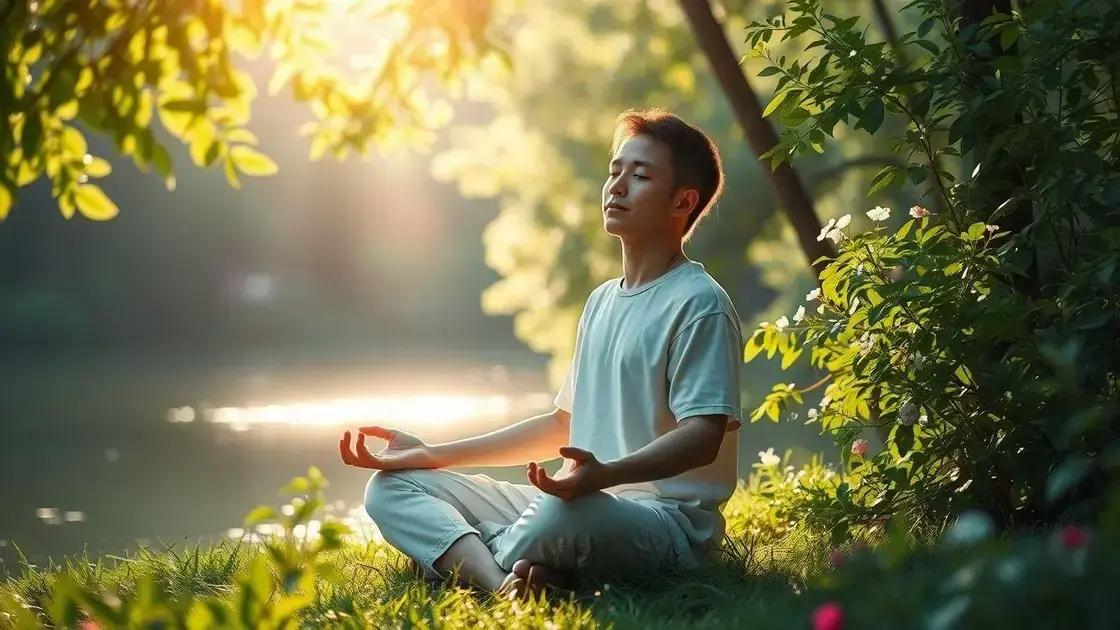
Self-care and mindfulness are essential tools in managing stress effectively. Self-care means taking deliberate time to care for your physical, emotional, and mental health. This can include activities like eating nutritious food, getting enough rest, and engaging in hobbies that bring joy.
Mindfulness is the practice of paying attention to the present moment without judgment. It helps women become aware of their thoughts and feelings, which reduces the power of stress triggers. Techniques such as deep breathing and meditation support this awareness.
Both self-care and mindfulness encourage setting healthy boundaries. Saying no to extra demands when overwhelmed is a form of respecting your own limits, which protects mental well-being and prevents burnout.
Regular mindfulness practice can change the way the brain responds to stress, making it easier to stay calm during difficult situations. It also improves focus and emotional regulation.
Integrating self-care rituals, even small ones, into daily routines replenishes energy and promotes resilience. Examples include short walks, journaling, or listening to calming music.
Ultimately, combining self-care with mindfulness creates a strong foundation for sustainable stress management and overall mental health improvement.
Praktische tipps für frauen, um stress langfristig zu reduzieren
Reducing stress over the long term requires consistent habits that support mental and physical well-being. One effective tip is to prioritize regular physical activity, as exercise helps lower stress hormones and boosts mood-enhancing chemicals like endorphins.
Establishing a daily routine that includes time for relaxation and hobbies can provide a much-needed balance to busy schedules. Structuring your day reduces uncertainty and promotes a sense of control.
Improving sleep quality is also vital. Try to maintain consistent sleep and wake times, create a comfortable sleep environment, and avoid stimulants like caffeine close to bedtime.
Women can benefit from practicing mindfulness or meditation techniques regularly to build resilience against stress and increase emotional regulation.
Connecting with supportive people is another key element. Sharing challenges with trusted friends, family, or support groups can relieve feelings of isolation and offer new perspectives.
Setting boundaries at work and in personal life helps prevent becoming overwhelmed. Learning to say no and recognizing your limits protects your energy and mental health.
Building lasting mental resilience against stress
Managing stress is essential for women’s overall health and happiness. By understanding the unique challenges they face and adopting practical habits like mindfulness, physical activity, and self-care, women can strengthen their mental resilience.
Small, consistent steps—such as setting boundaries, seeking support, and prioritizing rest—help reduce stress in the long run. These changes create a more balanced lifestyle and improve emotional well-being.
Remember, developing mental resilience is a journey that supports not just surviving but thriving through life’s challenges. Embrace these strategies to find greater calm and strength every day.
FAQ – common questions about mental resilience, stress, and women
What is mental resilience and why is it important for women?
Mental resilience is the ability to bounce back from stress and challenges. It helps women handle daily pressures and maintain emotional balance.
How does stress affect women’s physical and mental health?
Stress can cause physical symptoms like headaches and fatigue, and mental effects such as anxiety, mood swings, and difficulty concentrating, especially in women due to hormonal changes.
What are common challenges women face when dealing with stress?
Women often juggle multiple roles, face hormonal fluctuations, and societal expectations, which can increase stress and make coping more difficult.
What methods can women use daily to build mental resilience?
Techniques like mindfulness meditation, regular exercise, good sleep habits, and seeking social support help strengthen mental resilience.
How do self-care and mindfulness help in stress management?
Self-care recharges physical and mental energy, while mindfulness helps women stay present and reduce anxious thoughts, both crucial in managing stress.
What practical tips can help women reduce stress long-term?
Establishing routines, prioritizing sleep, staying active, setting boundaries, and connecting with supportive people are effective long-term stress reduction strategies.