
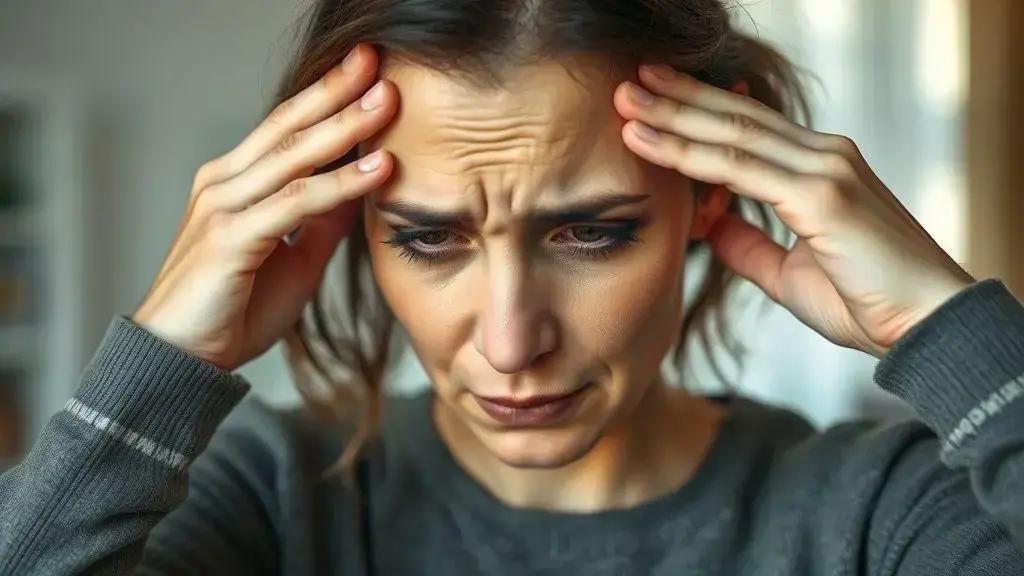
Körperliche Warnsignale bei Stress in Frauen umfassen Symptome wie Kopfschmerzen, Müdigkeit und hormonelle Schwankungen, die durch anhaltenden Stress verursacht werden und frühzeitige Erkennung mit gesunden Lebensgewohnheiten erfordern.
Viele Frauen spüren körperliche Warnsignale, Stress, Frauen oft erst spät – Erschöpfung, Kopfweh oder Herzrasen sind mehr als nur nervig. Hast du dich schon mal gefragt, warum dein Körper einfach nicht abschalten will?
was sind körperliche warnsignale bei stress?
Physical warning signs of stress are the body’s alarm system indicating that something is wrong. These signs can range from common symptoms like headaches and muscle tension to more subtle signals such as digestive issues or sleep disturbances. Recognizing these symptoms early is crucial for managing stress effectively.
Common physical symptoms of stress
When under stress, your body releases hormones like cortisol and adrenaline, which can lead to increased heart rate, sweating, and shallow breathing. You might also experience frequent fatigue, changes in appetite, or skin problems like acne and rashes.
Less obvious signs to watch for
Sometimes, stress manifests in less direct ways such as constant muscle tightness, unexplained aches, or fluctuations in weight. These symptoms often go unnoticed or are attributed to other causes, making it important to connect them to stress.
When warning signs become chronic
If these physical warning signs persist, they can impair your immune system, increase susceptibility to illnesses, and cause long-term health issues like high blood pressure or digestive disorders. Identifying these signs early helps in adopting strategies to reduce stress before it worsens.
Understanding your body’s signals allows you to take action like practicing relaxation techniques, improving sleep hygiene, or seeking professional help when needed. Remember, each person’s stress response is unique, so paying attention to your specific symptoms is key.
häufige stresssymptome speziell bei frauen
Women often experience stress symptoms differently than men, due to hormonal fluctuations and biological differences. Common stress symptoms in women include mood swings, irritability, and feelings of anxiety that may not always be obvious. These feelings can sometimes be linked to hormonal cycles, making them more intense or frequent.
Physical manifestations unique to women
Many women report experiencing fatigue that doesn’t improve with rest, frequent headaches, and muscle pain during stressful periods. Digestive problems like bloating and stomach upset are also common and often overlooked as stress-related.
Emotional and mental signs
Stress can lead to emotional ups and downs, increased sensitivity, and difficulty concentrating. Some women notice memory lapses or feelings of being overwhelmed even with small tasks. These symptoms can be exacerbated by hormonal changes related to menstruation, pregnancy, or menopause.
Sleep disturbances and hormonal impact
Sleep problems, such as difficulty falling asleep or staying asleep, are prevalent among stressed women. This can create a cycle where poor sleep increases stress, and stress interrupts restful sleep. Understanding the connection between stress and hormone balance is key for managing these symptoms.
Recognizing these unique stress symptoms in women allows for better coping strategies and healthier lifestyle adjustments to improve overall well-being.
wie stress den körper und die hormone beeinflusst
Stress activates the body’s fight-or-flight response, releasing hormones like cortisol and adrenaline. While these hormones help in short bursts, chronic stress keeps them elevated, which can disrupt many body systems.
Impact on the nervous system
The nervous system becomes overstimulated during stress, leading to symptoms such as headaches, muscle tension, and increased heart rate. Long-term stress can weaken its function, causing fatigue and difficulty concentrating.
Hormonal imbalances in women
Women are particularly affected because stress hormones interfere with reproductive hormones like estrogen and progesterone. This imbalance can cause irregular periods, worsened PMS symptoms, and even fertility problems.
Effects on metabolism and immune system
Elevated cortisol can lead to increased appetite and fat storage, especially around the abdomen. Chronic stress also lowers immune function, making the body more prone to infections and slow healing.
Understanding how stress affects your body and hormones is essential to manage its impact. Techniques like mindfulness, exercise, and sufficient rest help restore balance and improve overall health.
alltagstipps zur erkennung und vorbeugung von stress
Recognizing and preventing stress in daily life starts with paying attention to your body and mind. Simple habits can help you spot early signs and keep stress levels manageable. One effective tip is to practice regular mindfulness or deep breathing exercises to stay connected with your feelings and physical state.
Daily habits to spot stress early
Keep a journal to track mood changes, sleep quality, and physical symptoms like headaches or muscle tension. This can reveal patterns and triggers that may otherwise go unnoticed.
Preventive strategies to reduce stress
Establishing a consistent sleep routine, eating balanced meals, and scheduling time for physical activity support overall well-being. Even short walks or stretching can reduce tension and clear your mind.
The power of social connection and breaks
Spending quality time with friends or family and taking breaks during work can recharge your energy. Communicating your feelings openly often helps reduce internal pressure.
Incorporating these tips daily can build resilience against stress and promote healthier reactions when challenges arise.
natürliche wege zur unterstützung der hormonbalance

Supporting hormonal balance naturally involves lifestyle choices that help regulate your body’s systems. A well-balanced diet rich in whole foods, healthy fats, and plenty of vegetables can nurture hormonal health. Avoiding processed foods and excessive sugar is key to preventing hormone disruption.
The role of exercise
Regular physical activity helps reduce stress hormones like cortisol and increases feel-good hormones such as endorphins. Activities like yoga, walking, or swimming can be gentle yet effective ways to maintain balance.
Importance of sleep and relaxation
Getting enough restful sleep supports hormone production and repair. Establishing a calming bedtime routine and minimizing screen time before sleep can improve quality. Relaxation techniques like meditation or deep breathing also aid in lowering stress that affects hormone levels.
Herbal supplements and natural remedies such as maca root, evening primrose oil, or adaptogenic herbs may offer additional support. However, it’s important to consult with a healthcare provider before starting any supplementation.
Overall, nurturing your body with consistent, healthy habits provides the best foundation for hormonal balance and well-being.
wie du deinem körper wieder mehr energie und wohlbefinden schenkst
Regaining energy and well-being starts with mindful care of your body and mind. Small daily practices can make a big difference in how you feel physically and emotionally.
Prioritize restful sleep
Adequate, quality sleep supports your body’s repair and hormone regulation. Create a calming nighttime routine and keep consistent sleep hours to help restore energy.
Eat nourishing foods
Choose whole, nutrient-rich foods like fruits, vegetables, lean proteins, and healthy fats. These provide essential vitamins and minerals that boost metabolism and support overall vitality.
Move your body regularly
Engaging in moderate exercise like walking, yoga, or swimming improves circulation and releases endorphins, which lift your mood and increase stamina.
Manage stress effectively
Incorporate relaxation techniques such as deep breathing, meditation, or journaling to lower cortisol levels and promote emotional balance.
Listening to your body and adjusting habits accordingly creates a positive cycle of renewed energy and improved well-being over time.
Taking care of your body and mind
Recognizing stress and its physical signs is the first step to feeling better. Understanding how stress impacts your hormones and body helps you make smarter choices for your health.
Simple daily habits like mindful breathing, good sleep, healthy eating, and gentle exercise can restore your energy and balance. Listening to your body and giving yourself time to relax are powerful ways to support well-being.
By paying attention and making small changes, you can reduce stress and improve your overall quality of life.
FAQ – common questions about physical warning signs, stress, and women
What are common physical warning signs of stress in women?
Common signs include headaches, muscle tension, fatigue, digestive issues, and sleep disturbances. These symptoms can indicate your body is under stress.
How does stress affect hormones in women?
Stress hormones like cortisol can disrupt reproductive hormones such as estrogen and progesterone, leading to issues like irregular periods and mood swings.
Can daily habits help prevent stress?
Yes, habits such as mindfulness, regular exercise, balanced nutrition, and good sleep routines can help reduce stress and improve overall health.
What natural methods support hormonal balance?
Eating whole foods, engaging in regular physical activity, managing stress through relaxation techniques, and considering herbal supplements can support hormone health.
How can I recognize if stress is affecting my wellbeing?
Pay attention to changes in mood, energy levels, sleep quality, and physical symptoms like headaches or digestive discomfort. Keeping a journal may help track these changes.
When should I seek professional help for stress?
If stress symptoms persist, worsen, or interfere with your daily life despite lifestyle changes, seeking advice from a healthcare professional is recommended.