
Ernährung, Hormone, Frauen links nutrition directly to hormonal balance by providing key nutrients that regulate mood, energy, and overall health, helping women over 30 manage symptoms like fatigue, mood swings, and hormonal imbalances through diet, supplements, and lifestyle habits.
Schon mal gefragt, wie Ernährung, Hormone, Frauen zusammenhängen? Oft spüren wir diese Verbindung in Form von Müdigkeit, Stimmungsschwankungen oder Konzentrationsproblemen. Doch was steckt dahinter, und wie kannst du deinem Körper mit der richtigen Ernährung helfen? Lass uns das gemeinsam herausfinden.
wie die ernährung deine hormonbalance beeinflusst
Nutrition plays a critical role in managing your hormone balance. What you eat directly affects how your body produces and regulates hormones, which influence your mood, energy levels, and overall health. Foods rich in healthy fats, such as avocados, nuts, and olive oil, help support hormone production, as hormones are largely made from cholesterol.
Carbohydrates also impact hormone levels, particularly insulin. Choosing complex carbs like whole grains and vegetables prevents blood sugar spikes, which can disrupt your hormone balance and lead to issues such as weight gain and fatigue. On the other hand, excessive sugar and processed foods may increase inflammation and negatively affect hormone function.
Protein intake is essential as well, since amino acids are the building blocks for many hormones. Including lean proteins like chicken, fish, and legumes supports hormone synthesis and repair.
Additionally, certain micronutrients like zinc, magnesium, and vitamin D are crucial for hormone health. Deficiencies in these nutrients can lead to imbalances and worsen symptoms like mood swings and low energy.
Hydration is often overlooked but also vital—water helps transport hormones throughout the body efficiently. Drinking enough water supports your metabolic processes and endocrine system function.
Overall, focusing on a balanced, nutrient-rich diet that minimizes processed foods and sugars can help stabilize your hormones, leading to better mood regulation and higher energy throughout the day.
häufige hormonale symptome bei frauen über 30
Women over 30 often experience a range of hormonal symptoms that can affect their daily lives. These include fatigue, mood swings, and unexplained weight gain. Hormonal fluctuations can also cause irregular menstrual cycles, making it harder to predict periods. Another common symptom is brain fog, which involves difficulty concentrating and memory issues.
Many women also report increased bloating and digestive discomfort linked to hormone changes. Sleep problems are frequent, with many struggling to fall asleep or stay asleep through the night. This can worsen feelings of anxiety and irritability.
Hot flashes and night sweats may begin subtly around this age, signaling shifts in estrogen levels. Some women notice changes in their skin, such as dryness or acne, which are also tied to hormone balance.
Recognizing these symptoms is important because they often overlap with stress or lifestyle factors. Paying attention to patterns and severity can help guide effective nutritional and lifestyle adjustments to support hormone health.
Understanding these signs empowers women to take steps toward restoring balance and improving overall well-being.
lebensmittel, die deine hormone sanft unterstützen
Certain foods can gently support your hormone balance by providing essential nutrients and promoting healthy body functions. Flaxseeds are rich in lignans, plant compounds that can help modulate estrogen levels naturally. Including ground flaxseeds in your diet is an easy way to nurture hormonal health.
Fatty fish like salmon, mackerel, and sardines provide omega-3 fatty acids, which reduce inflammation and support hormone production. These healthy fats are vital for balancing cortisol and insulin.
Leafy greens such as spinach and kale contain magnesium, a mineral that helps regulate stress hormones and improve sleep quality. Low magnesium levels are linked to increased anxiety and PMS symptoms.
Cruciferous vegetables like broccoli and Brussels sprouts promote estrogen metabolism and support liver detoxification processes, which are essential for hormone clearance.
Fermented foods like yogurt, kimchi, and sauerkraut improve gut health, which is closely connected to hormone regulation. A healthy gut helps your body process and balance hormones effectively.
Lastly, foods rich in vitamin D, such as fortified dairy or mushrooms exposed to sunlight, contribute to hormone production and receptor sensitivity.
By including these foods regularly, you can provide your body with gentle, natural support to maintain a balanced hormonal system.
alltagstipps für mehr energie und weniger emotionales auf und ab
Simple daily habits can make a big difference in increasing your energy and reducing emotional ups and downs. Start by prioritizing consistent sleep. Aim for 7-9 hours each night to help your body regulate hormones like cortisol and melatonin, which control stress and sleep cycles.
Regular physical activity, even light exercise like walking or yoga, helps boost endorphins that improve mood and increase energy. It also supports healthy blood sugar levels, reducing mood swings caused by fluctuations.
Mindful eating is another key tip. Avoid skipping meals and choose balanced snacks with protein, fiber, and healthy fats to keep your energy stable throughout the day.
Stress management is crucial. Incorporate relaxation techniques such as deep breathing, meditation, or short breaks during busy days to lower stress hormones that can cause emotional turbulence.
Hydration often gets overlooked but drinking enough water supports overall energy and cognitive function. Dehydration can lead to fatigue and irritability.
Lastly, building a supportive social network and sharing your feelings with friends or family can provide emotional balance and reduce feelings of isolation during hormonal changes.
die rollen von vitaminen und nährstoffen im hormonhaushalt
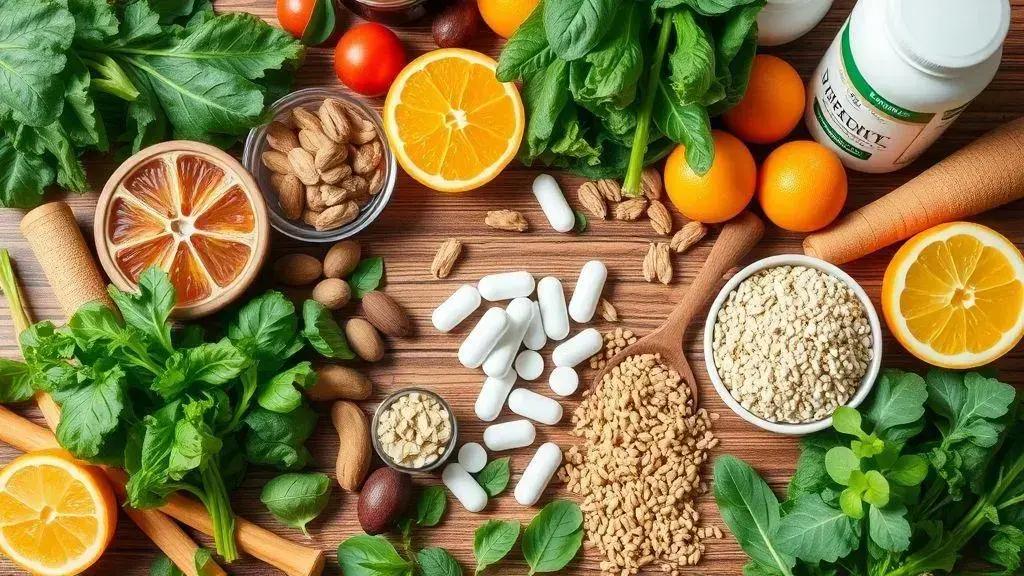
Vitamins and nutrients play essential roles in keeping your hormone system balanced and functioning properly. Vitamin D acts like a hormone itself and helps regulate the production of other hormones, influencing mood, immune health, and calcium absorption. Many women find that maintaining adequate vitamin D levels improves energy and reduces symptoms of hormonal imbalance.
B vitamins, especially B6, B12, and folate, support the nervous system and help manage stress hormones like cortisol. These vitamins also contribute to healthy metabolism and red blood cell production, which are important for overall hormonal balance.
Minerals like magnesium and zinc are key players. Magnesium helps relax muscles, improve sleep, and calm the nervous system, which can reduce anxiety and irritability linked to hormone shifts. Zinc supports the immune system and aids in hormone synthesis and repair.
Antioxidants like vitamins C and E protect your cells and hormones from oxidative stress. This protection is vital because damaged cells can disrupt hormone signals, causing imbalances and inflammation.
A balanced diet rich in these vitamins and minerals helps create the optimal environment for hormone production and regulation. Supplementing can be helpful if your diet lacks certain nutrients, but always consult a healthcare provider first.
Ensuring you get enough of these essential nutrients supports your body’s natural ability to maintain hormonal harmony and overall health.
sanfte ergänzungen und rituale für hormonelle balance
Gentle supplements and daily rituals can support hormonal balance naturally, improving overall well-being. Adaptogenic herbs like ashwagandha and rhodiola help the body adapt to stress, reducing cortisol levels that can disrupt hormones. These herbs are often taken as teas or capsules and are valued for their calming effects.
Magnesium supplements promote relaxation and improve sleep quality, which is vital for hormone regulation. A good night’s rest helps balance hormones like melatonin and cortisol, reducing fatigue and mood swings.
Incorporating mindful rituals such as regular meditation or deep breathing exercises can lower stress and bring emotional balance. Even a few minutes daily can positively impact your hormone health.
Consistent sleep routines support the natural cycles of hormone production. Going to bed and waking up at the same time each day stabilizes hormone rhythms and improves energy.
Warm baths with Epsom salts provide magnesium through the skin and relax muscles, aiding stress relief. Gentle yoga or stretching also helps reduce tension and supports healthy hormone function.
Adding these supplements and rituals to your routine creates a supportive environment for your hormones, promoting calmness, energy, and emotional stability.
Taking steps towards hormonal balance
Supporting your hormones with gentle supplements and simple daily rituals can make a big difference in your energy and mood. Small changes like proper sleep, stress reduction, and mindful practices help your body work at its best.
Listening to your body and creating balanced habits fosters long-term health and emotional well-being. Remember, consistency is key to seeing positive changes.
By caring for your hormones naturally, you can enjoy more calmness, energy, and balance in everyday life.
FAQ – Common questions about nutrition, hormones, and women’s health
How does nutrition affect hormone balance in women?
Nutrition provides essential nutrients that support hormone production and regulation, helping to maintain mood, energy, and overall health.
What are common hormonal symptoms women over 30 may experience?
Women may experience fatigue, mood swings, brain fog, irregular periods, sleep problems, and skin changes due to hormonal fluctuations.
Which foods gently support hormone health?
Foods like flaxseeds, fatty fish, leafy greens, cruciferous vegetables, and fermented foods provide nutrients that promote natural hormone balance.
What daily habits can help increase energy and reduce emotional ups and downs?
Consistent sleep, light exercise, balanced meals, stress management techniques, hydration, and social support can improve energy and emotional stability.
How do vitamins and minerals affect the hormone system?
Vitamins like D and B, along with minerals such as magnesium and zinc, support hormone production, nervous system function, and protect against oxidative stress.
What gentle supplements and rituals can aid hormonal balance?
Adaptogenic herbs, magnesium supplements, meditation, regular sleep routines, warm baths, and gentle yoga are effective ways to support hormone health naturally.