
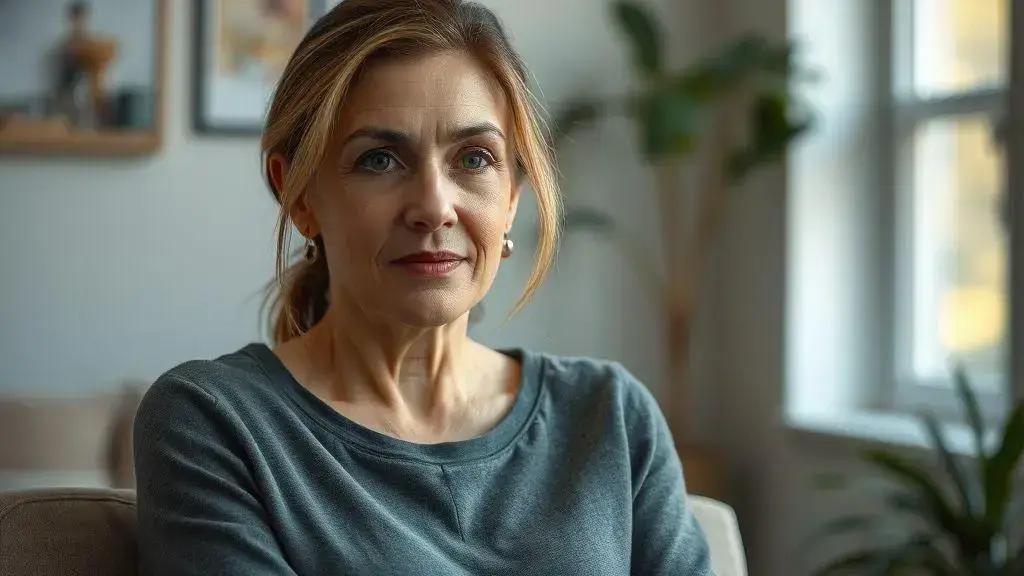
Anxiety management for women in daily life involves recognizing common triggers, understanding the link between physical symptoms and emotional stress, using mindfulness and self-care techniques, seeking social support, and setting healthy boundaries to reduce stress and improve well-being.
Angstbewältigung, Frauen, Alltag ist ein Thema, das viele bewegt, doch oft im Stillen bleibt. Fühlst du dich manchmal überwältigt von unerklärlichen Ängsten und Stress? Lass uns gemeinsam erkunden, wie sich das in deinem Alltag zeigt und welche kleinen Schritte wirklich helfen können.
häufige angstquellen im alltag von frauen erkennen
Women often face various sources of anxiety in their daily lives that can disrupt their well-being. Common anxiety triggers include work pressures, family responsibilities, financial concerns, and social expectations. Recognizing these triggers is the first step toward managing anxiety effectively.
Work-related stress might involve tight deadlines, demanding workloads, or conflicts with colleagues. Family and relationship concerns may include caregiving duties or communication difficulties. Financial uncertainty can cause persistent worry about the future, while social pressures often stem from the desire to meet cultural or personal ideals.
Many women experience emotional ups and downs that are sometimes linked to hormonal changes, which can intensify feelings of anxiety without obvious external causes. Paying attention to these patterns helps in pinpointing when and why anxiety arises.
It is useful to keep a journal to track daily moods and situations to identify specific triggers. Once identified, women can develop coping strategies tailored to their unique anxiety sources, empowering them to regain control in their everyday lives.
wie körperliche symptome und emotionale belastung zusammenhängen
Physical symptoms and emotional stress are closely connected, especially for women managing anxiety in daily life. When the body faces stress, it often responds with symptoms like headaches, muscle tension, fatigue, or digestive issues. These physical reactions can make emotional challenges feel even more overwhelming.
Understanding this mind-body link helps women recognize that their emotional state can directly impact their physical health. For example, chronic anxiety may cause hormonal imbalances, which intensify feelings of tiredness or mood swings.
It is common to experience brain fog, restlessness, or sleep difficulties as part of this cycle. These symptoms not only affect energy levels but also reduce focus and concentration during the day.
By paying attention to how emotions influence bodily sensations, women can develop better strategies to cope. Techniques like deep breathing, gentle exercise, and mindfulness support both mental well-being and physical relief, helping to break the connection between stressful emotions and their physical impact.
praktische methoden zur angstbewältigung ohne medikamente
Managing anxiety without medication is possible through several practical methods that women can integrate into their everyday lives. Mindfulness exercises, such as deep breathing and meditation, help calm the nervous system and reduce stress levels.
Regular physical activity plays a crucial role as it releases endorphins, which act as natural mood lifters. Gentle activities like yoga or walking are especially helpful for reducing anxiety symptoms.
Establishing a consistent sleep routine also supports mental health by improving overall energy and resilience to stress. Avoiding caffeine and screens before bedtime enhances sleep quality further.
Building a supportive social network allows for sharing feelings and experiences, which can lighten emotional burdens. Additionally, journaling daily thoughts or worries provides clarity and helps organize feelings constructively.
Techniques like grounding exercises—focusing on the present moment using the five senses—can quickly reduce feelings of panic or overwhelm. These approaches empower women to regain control and face daily challenges with greater confidence.
der einfluss von sozialen erwartungen auf ängste im alltag
Social expectations can have a powerful impact on how women experience anxiety in their daily lives. Many feel pressure to perform perfectly at work, at home, and in social situations, which can create constant stress. These expectations often come from cultural norms, family, and peers.
Women may worry about meeting others‘ standards for appearance, success, or behavior, which leads to feelings of inadequacy and heightened anxiety. For example, juggling career goals and family responsibilities can cause overwhelming pressure to „do it all“ without visible struggle.
Social media also amplifies these expectations by presenting idealized images and lifestyles that are hard to match. This can trigger comparison and self-doubt, worsening anxiety symptoms.
Recognizing the unrealistic nature of some social demands helps women set healthier boundaries. Learning to say no and prioritizing personal well-being over others‘ opinions can reduce anxiety and build inner confidence.
Creating supportive communities that value authenticity over perfection encourages open conversations about real challenges, lessening the burden of social expectations and fostering emotional balance.
wie achtsamkeitsrituale den umgang mit angst erleichtern
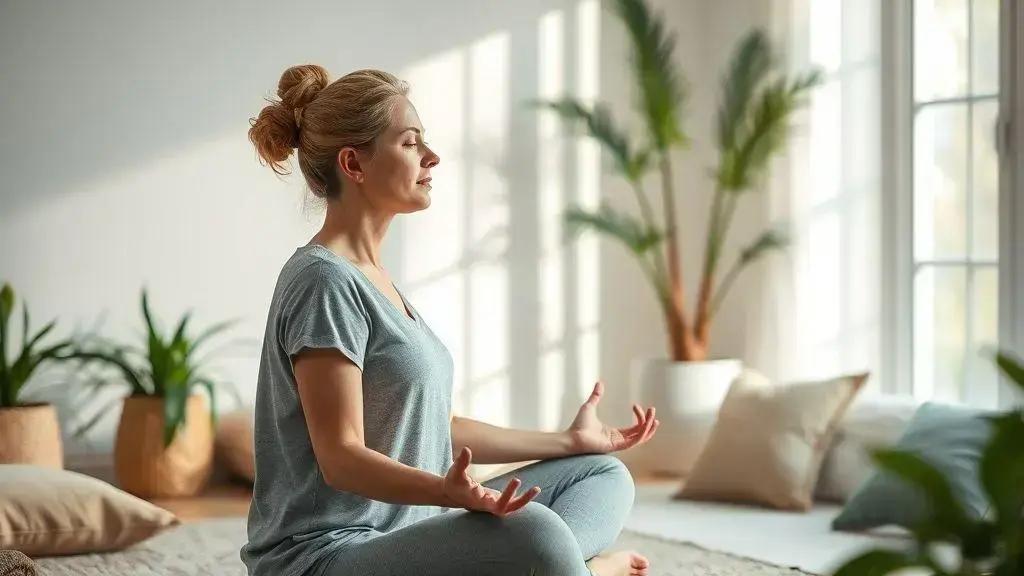
Mindfulness rituals are effective ways for women to ease anxiety by staying present and grounded in the moment. These practices help calm the mind and reduce the flood of anxious thoughts that often arise during stressful times.
Simple activities like focused breathing or body scans increase awareness of physical sensations, allowing women to notice tension and release it consciously.
Daily mindfulness routines might include short meditation sessions, mindful walking, or gentle stretching, all designed to cultivate a sense of calm and control.
Using mindfulness regularly strengthens emotional resilience by teaching the brain to observe feelings without judgment. This reduces the tendency to get overwhelmed by fear or worry.
By integrating these rituals into daily life, women create a reliable tool to handle anxiety when it appears, improving overall mental well-being and allowing clearer thinking during challenging moments.
tipps für den alltag: unterstützung suchen und selbstfürsorge stärken
Seeking support and strengthening self-care are essential steps for women dealing with anxiety in everyday life. Reaching out to trusted friends, family, or support groups provides emotional relief and different perspectives on challenging situations.
Professional help from therapists or counselors can offer valuable tools to understand and manage anxiety effectively. Therapy creates a safe space to explore feelings and learn coping strategies.
Incorporating self-care habits such as regular exercise, balanced nutrition, and sufficient rest bolsters physical and mental health. These practices improve overall resilience against stress.
Setting boundaries is another crucial aspect, allowing women to prioritize their needs and avoid burnout. Saying no when necessary helps maintain balance and reduces anxiety triggers.
Daily moments of relaxation, like enjoying a hobby or practicing gratitude, nurture the mind and foster a positive outlook, making it easier to face daily challenges with confidence.
embracing practical solutions for anxiety relief
Managing anxiety in daily life can feel challenging, but using practical methods like mindfulness, self-care, and seeking support makes a real difference. Understanding your triggers and how emotions affect your body helps you take control.
By incorporating these habits, women can build resilience and find balance even amid stress. Remember, it’s okay to ask for help and prioritize your well-being every day.
With small, consistent steps, overcoming anxiety becomes more manageable, leading to a healthier and more peaceful life.
FAQ – Common questions about anxiety management for women in daily life
What are common anxiety triggers for women in everyday life?
Common triggers include work stress, family responsibilities, financial worries, social pressures, and hormonal changes.
How do physical symptoms relate to emotional stress?
Emotional stress can cause physical symptoms like headaches, muscle tension, fatigue, and digestive issues, creating a cycle that intensifies anxiety.
Can anxiety be managed without medication?
Yes, practical methods like mindfulness, exercise, proper sleep, journaling, and social support can effectively reduce anxiety without medication.
How do social expectations influence anxiety?
Social expectations can create pressure to meet unrealistic standards, leading to feelings of inadequacy and increased anxiety.
What are mindfulness rituals and how do they help with anxiety?
Mindfulness rituals involve being present and aware, using techniques like deep breathing and meditation to calm the mind and reduce anxious thoughts.
Why is self-care important for managing anxiety?
Self-care strengthens physical and mental resilience, reduces stress, and helps maintain balance by prioritizing personal well-being and setting boundaries.