
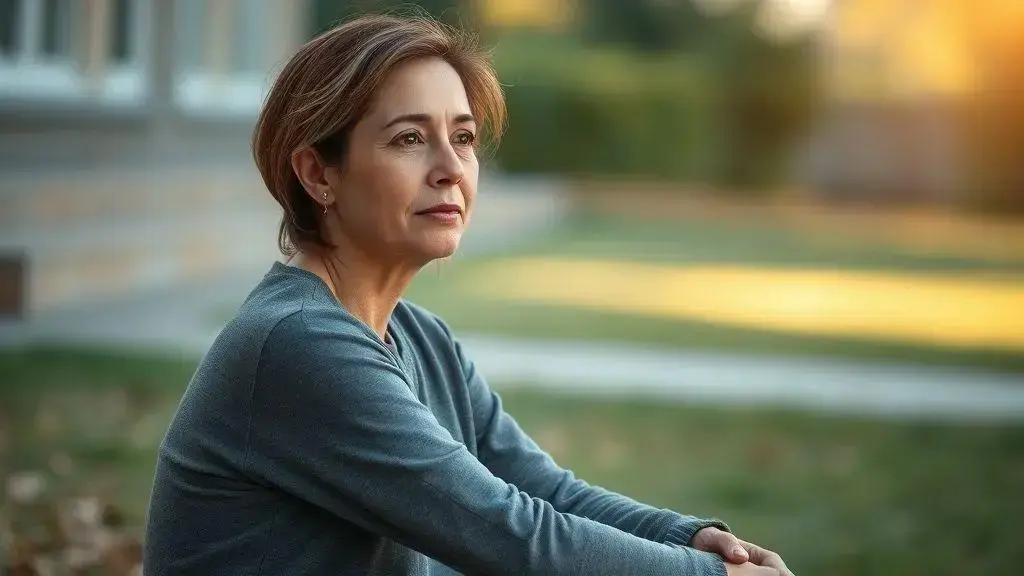
Anxiety in women is influenced by hormonal changes, social pressures, and life stressors, with effective coping strategies including mindfulness, social support, and practical exercises that improve emotional balance and reduce daily anxiety symptoms.
Angst, Bewältigungsstrategien, Frauen – klingt das vertraut? Viele Frauen spüren diese innere Unruhe, ohne genau zu wissen, warum. Was hilft wirklich, um daraus herauszufinden und Gelassenheit zu finden?
Was ist Angst und wie zeigt sie sich bei Frauen?
Anxiety often affects women differently than men, both in how it feels and how it shows up in daily life. Women may experience symptoms such as constant worry, restlessness, and physical signs like increased heart rate or muscle tension. Psychologically, anxiety can manifest as difficulty concentrating, a sense of dread, or feeling overwhelmed.
Common Signs of Anxiety in Women
Women might notice changes in their sleep patterns, irritability, or mood swings that seem hard to explain. Physical symptoms can include headaches, stomach issues, or fatigue, which may often be mistaken for other health problems. Recognizing these signs early is essential for seeking proper help.
Why Does Anxiety Present Uniquely in Women?
Hormonal fluctuations related to menstrual cycles, pregnancy, and menopause can influence anxiety levels. Social and cultural expectations also play a role, as women often juggle multiple responsibilities, increasing stress and vulnerability to anxiety.
Understanding how anxiety shows up specifically in women empowers better coping and targeted treatment. Being aware of both emotional and physical cues can help women take control and find effective ways to manage their mental health.
Typische Auslöser und Ursachen von Angst bei Frauen
Many women experience anxiety triggered by a variety of factors that relate to both internal and external influences. Hormonal changes, such as those during menstrual cycles, pregnancy, or menopause, can significantly impact mood and increase anxiety levels. Stressful life events like work pressure, family responsibilities, or financial concerns often act as external triggers.
Psychological and Social Causes
Women may be more prone to anxiety due to societal expectations and roles, which can create pressure to balance multiple demands. Personal history, such as past trauma or chronic stress, also increases vulnerability to anxiety disorders. Social isolation or lack of support can worsen feelings of anxiety.
Biological Factors
Some women inherit a genetic predisposition to anxiety, making them more susceptible. Neurotransmitter imbalances in the brain, particularly involving serotonin and dopamine, can also contribute. Understanding these causes helps to identify why anxiety happens and how to address it effectively.
Recognizing the diverse causes of anxiety in women is crucial to tailor strategies and treatments that offer real relief and improve quality of life.
Effektive Bewältigungsstrategien im Alltag
Effective coping strategies help women manage anxiety daily and improve their overall well-being. Self-care routines such as regular exercise, balanced nutrition, and sufficient sleep can reduce anxiety symptoms significantly. Mindfulness practices like meditation and deep breathing promote relaxation and help ground the mind in stressful moments.
Practical Techniques to Manage Anxiety
Using cognitive behavioral techniques, such as challenging negative thoughts and focusing on positive affirmations, empowers women to change anxious patterns. Time management skills and setting healthy boundaries decrease overwhelming feelings and stress from external demands.
Building Support Systems
Connecting with trusted friends, family, or support groups offers emotional relief and practical advice. Counseling or therapy provides a safe space to work through anxiety triggers and develop personalized coping tactics.
Incorporating these strategies regularly can build resilience and make anxiety easier to handle in everyday life, leading to a greater sense of control and peace.
Der Einfluss von Hormonen auf Angstgefühle
Hormones play a significant role in how anxiety affects women. Fluctuations in hormones like estrogen and progesterone can alter brain chemistry, influencing mood and anxiety levels. These changes are common during menstrual cycles, pregnancy, postpartum, and menopause.
How Hormonal Changes Impact Anxiety
During the menstrual cycle, some women experience heightened anxiety symptoms, especially in the days before their period. This is linked to shifts in hormone levels that affect neurotransmitters in the brain. Pregnancy can bring both relief and increased anxiety due to drastic hormonal shifts and physical changes.
Menopause and Anxiety
The transition to menopause often leads to unpredictable hormone levels, which can trigger anxiety symptoms. Hot flashes, sleep disturbances, and mood swings are common complaints that intensify feelings of unease.
Understanding the influence of hormones helps women recognize why anxiety may worsen during certain times and seek appropriate support or treatment aimed at hormonal balance as part of anxiety management.
Wie soziale Unterstützung Angst mildern kann

Social support plays a vital role in reducing anxiety among women. Feeling connected to others provides emotional comfort and practical help, which can soothe anxious thoughts and feelings. Support can come from family, friends, or support groups, offering a sense of belonging and understanding.
The Power of Sharing
Talking about worries with trusted people allows women to express emotions and gain new perspectives. This exchange can reduce feelings of isolation and help identify coping strategies that have worked for others.
Building Strong Support Networks
Joining community groups, participating in therapy, or engaging in online forums creates opportunities to connect with people facing similar challenges. These networks encourage resilience and provide motivation to manage anxiety proactively.
Involving loved ones in managing anxiety can also ease burdens and foster a collaborative approach to mental health, making challenges feel more manageable and less overwhelming.
Praktische Übungen zur Stress- und Angstbewältigung
Practicing specific exercises can help women reduce stress and control anxiety effectively. Techniques like deep breathing, progressive muscle relaxation, and visualization target both the mind and body to foster calmness. These exercises are easy to learn and can be done anywhere, making them practical tools for daily anxiety management.
Deep Breathing Techniques
Slow, deep breaths help lower heart rate and calm the nervous system. Focusing on breath control can reduce immediate feelings of panic or nervousness.
Progressive Muscle Relaxation
This method involves tensing and then relaxing different muscle groups to release physical tension that accompanies anxiety.
Visualization and Mindfulness
Imagining peaceful environments or practicing mindfulness meditation helps shift focus away from anxious thoughts and promotes mental clarity.
Regular practice of these exercises builds resilience and equips women with tools to face daily stressors with greater ease.
Finding balance and managing anxiety effectively
Anxiety affects many women in unique ways, but understanding triggers and using effective coping strategies can make a big difference. Simple daily habits and practical exercises can help regain control and calm the mind.
Support from loved ones and awareness of hormonal influences also play important roles in managing anxiety symptoms. By embracing these tools, women can build resilience and improve their well-being.
Taking small steps each day leads to lasting positive changes, helping to face challenges with confidence and peace.
FAQ – Common questions about anxiety and coping strategies for women
What are common triggers of anxiety in women?
Hormonal changes, stressful life events, and social pressures are common triggers that can increase anxiety in women.
How do hormonal fluctuations affect anxiety levels?
Hormonal fluctuations during menstrual cycles, pregnancy, and menopause can impact brain chemistry, often causing mood swings and heightened anxiety.
What are some effective daily coping strategies for anxiety?
Regular exercise, mindfulness, deep breathing, and setting healthy boundaries are practical strategies that help manage anxiety daily.
How can social support reduce anxiety?
Having emotional support from friends, family, or support groups provides comfort and a sense of belonging, which can lessen anxious feelings.
What practical exercises help with stress relief?
Deep breathing, progressive muscle relaxation, and visualization are simple exercises that reduce stress and calm the mind.
When should I seek professional help for anxiety?
If anxiety significantly impacts your daily life or doesn’t improve with self-care, consulting a mental health professional can provide tailored treatment and support.