

Angst, bewältigung, frauen involves recognizing anxiety symptoms unique to women, accepting these feelings without judgment, and using natural methods with emotional self-care and supportive environments to manage and reduce anxiety effectively.
Angst, bewältigung, frauen ist ein Thema, das viele Frauen betrifft, aber selten offen besprochen wird. Hast du dich schon mal gefragt, wie deine Ängste eigentlich entstehen und wie du sie ohne Druck angehen kannst? Lass uns gemeinsam entdecken, was dahintersteckt.
was angst für frauen bedeutet und warum sie oft unterschätzt wird
For many women, anxiety is more than just occasional worry or stress; it can be a persistent feeling that affects daily life. Anxiety often manifests differently in women due to hormonal fluctuations and societal pressures, making it unique and sometimes misunderstood.
Women may experience symptoms like rapid heartbeat, sleeplessness, or feelings of dread more intensely. However, these experiences are often overlooked by both themselves and others, leading to delayed support and treatment.
Understanding why anxiety is underestimated in women requires looking at cultural expectations — women are often expected to be strong caregivers, which can make admitting fear or vulnerability challenging. This stigma can lead to underreporting and insufficient attention from healthcare providers.
Additionally, anxiety in women might be mistaken for mood swings or hormonal imbalances, causing missed diagnoses of anxiety disorders. Recognizing anxiety as a serious and treatable condition is crucial for improving mental health outcomes.
Awareness and education about how anxiety affects women specifically can empower them to seek help and reduce the stigma surrounding mental health struggles.
erste schritte zur erkenntnis und akzeptanz der eigenen ängste
The first step to managing anxiety is recognizing its presence. Many women may feel uneasy but dismiss these sensations as normal stress. Paying attention to physical and emotional signs such as restlessness, irritability, or difficulty concentrating is crucial.
Accepting your anxiety does not mean giving in to fear; it means acknowledging your feelings without judgment. This mindset can reduce the power anxiety holds over your life.
Journaling thoughts and emotions can help you identify triggers and patterns. Reflect on moments when anxiety spikes and consider possible causes, like work pressure or personal relationships.
Talking openly with trusted friends or a therapist can provide fresh perspectives and encouragement. You might find that others share similar experiences, which helps normalize your feelings.
Setting small, manageable goals to face anxiety-provoking situations helps build confidence. Celebrate these victories to reinforce your progress.
Remember, patience and kindness toward yourself are essential as you take these steps toward awareness and acceptance.
natürliche methoden zur angstbewältigung im alltag
Natural methods can be highly effective in managing anxiety daily, offering gentle and safe ways to regain balance. One of the most accessible techniques is deep breathing exercises. Taking slow, deliberate breaths helps calm the nervous system and reduce stress levels almost immediately.
Incorporating mindfulness meditation into your routine can improve awareness of your thoughts and feelings without judgment. Just a few minutes a day can lead to significant reductions in anxious feelings.
Physical activity is another natural way to manage anxiety. Regular light exercise like walking, yoga, or stretching releases endorphins, which act as natural mood enhancers.
Herbal teas such as chamomile or lavender are known for their calming properties and can serve as a comforting ritual in stressful moments.
Maintaining a balanced diet rich in vitamins and minerals supports overall brain health. Avoiding excessive caffeine and sugar can prevent spikes in anxiety.
Finally, establishing a consistent sleep schedule promotes restorative rest, which is vital for emotional regulation.
Combining these natural methods can create a strong foundation for reducing anxiety without relying on medication.
wie emotionale selbstfürsorge den weg zur inneren balance ebnet
Emotional self-care plays a vital role in achieving inner balance, especially for women facing anxiety. It means taking deliberate actions to nurture your emotional health and respond kindly to your feelings.
Practicing self-care can include setting boundaries to protect your energy. Saying no when overwhelmed is a powerful step to reduce stress and maintain emotional stability.
Engaging in activities that bring joy and relaxation, like reading, creative hobbies, or spending time in nature, supports emotional renewal. These moments help calm the mind and recharge your spirit.
Journaling is another valuable tool for processing emotions. Writing about your thoughts helps you understand patterns and release negative feelings safely.
Developing awareness of your emotional triggers allows you to choose healthier responses instead of reacting impulsively. This awareness creates space for growth and calm.
Finally, connecting with supportive people who respect your emotional needs strengthens resilience. Healthy relationships provide safety and encouragement on your journey to inner balance.
tipps zum aufbau eines unterstützenden umfelds
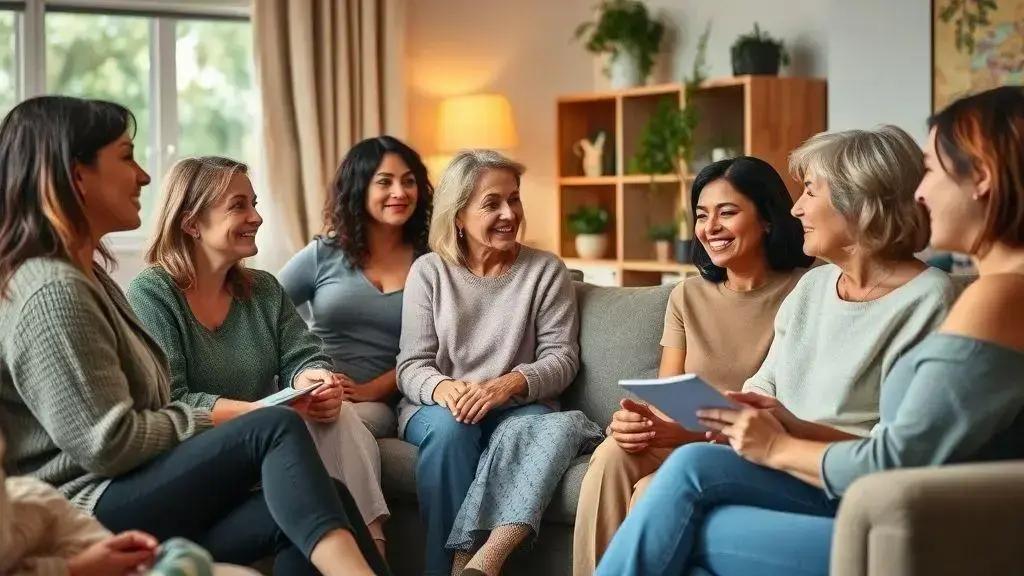
Building a supportive environment is essential for women managing anxiety. Surround yourself with people who listen without judgment and offer encouragement. Positive relationships help reduce feelings of isolation and stress.
Communication is key; being open about your needs and limits allows others to understand how to support you effectively. Setting clear boundaries protects your emotional space and energy.
Finding or creating support groups, whether online or in person, connects you with others facing similar challenges. These communities provide validation, advice, and motivation.
Creating a calm and organized living space also contributes to emotional well-being. Keeping your environment tidy and filled with comforting objects can reduce anxiety triggers.
Engaging in shared activities like exercise, hobbies, or mindfulness practices with friends strengthens bonds and fosters a sense of belonging.
Regular check-ins with trusted individuals help you stay accountable to your self-care and allow others to notice when you might need extra support.
erfahrungen von frauen: persönliche beispiele der angstbewältigung
Many women have shared personal stories about how they faced and managed anxiety in their daily lives. These experiences highlight the diverse ways anxiety affects women and the strategies they used to cope.
One woman described how daily mindfulness practices helped her regain control during panic attacks. She incorporated simple breathing techniques and short meditation sessions to calm her mind.
Another shared that opening up to close friends about her feelings lifted a heavy burden. Building a support network was critical in her journey toward healing.
Some women found relief by adopting lifestyle changes like regular exercise and improving sleep hygiene, which positively impacted their emotional balance.
Others turned to creative outlets such as journaling or painting, finding that expressing emotions through art reduced their anxiety’s intensity.
These real-life examples show that overcoming anxiety is a personal process, and experimenting with different techniques can lead to meaningful progress.
Understanding and Managing Anxiety in Women
Anxiety affects many women in unique ways, but there are practical steps to recognize and manage it. Accepting your feelings and exploring natural methods can create a solid foundation for emotional well-being.
Building a supportive environment and practicing self-care are essential parts of the journey. Hearing real experiences from other women shows how personal and varied this process can be.
Remember, patience and kindness toward yourself make a big difference. Taking small steps daily can help you regain balance and feel more in control of your emotions.
FAQ – common questions about anxiety and coping strategies for women
What are common signs of anxiety in women?
Common signs include restlessness, irritability, difficulty concentrating, rapid heartbeat, and feelings of dread that affect daily life.
How can I start accepting my anxiety?
Begin by acknowledging your feelings without judgment. Practice self-compassion and try journaling to better understand your emotions.
What natural methods help reduce anxiety?
Deep breathing exercises, mindfulness meditation, regular light exercise, herbal teas, a balanced diet, and good sleep hygiene are effective natural methods.
Why is building a supportive environment important?
A supportive environment reduces feelings of isolation, offers encouragement, and helps you manage anxiety with trusted relationships and shared activities.
How can emotional self-care improve anxiety management?
Emotional self-care helps you recognize triggers, set boundaries, process feelings through journaling or hobbies, and develop healthier responses to stress.
Are personal stories helpful in managing anxiety?
Yes, learning from others’ experiences can inspire you, show various coping strategies, and remind you that you are not alone in your journey.