

Stress management tips for women focus on understanding stress effects, practicing daily rituals like breathing and meditation, maintaining balanced nutrition and exercise, setting healthy boundaries, and seeking professional help when symptoms disrupt daily life.
Stressmanagement, tipps, frauen – fühlst du dich oft ausgelaugt und fragst dich, wie du das ändern kannst? Vielleicht stecken in kleinen gewohnheiten verborgene lösungen, die deinen alltag leichter machen können.
verstehen, was stress im körper einer frau bewirkt
Stress triggers a complex reaction in a woman’s body, activating the fight-or-flight response. This leads to the release of hormones like cortisol and adrenaline, which prepare the body to respond to perceived threats. While useful in short bursts, prolonged stress can disrupt many systems.
Chronically high cortisol levels may cause fatigue, mood swings, and difficulty concentrating. Women might also experience physical symptoms such as headaches, digestive issues, and weight changes. Hormonal imbalances are common because stress can interfere with the regulation of estrogen and progesterone.
Emotional ups and downs, brain fog, and unexplained tiredness often arise from this hormonal disruption. Many women feel “off” or unlike themselves, especially during monthly cycles or after 30 years of age. Recognizing these signs is the first step to managing stress effectively and supporting overall health.
praktische alltagsrituale gegen stress und überwältigung
Incorporating simple daily rituals can significantly reduce stress and prevent feelings of overwhelm. Starting the day with a few minutes of mindful breathing or meditation helps center your thoughts and prepares you for challenges ahead.
Taking short breaks throughout the day to stretch or take a walk can improve circulation and release tension. Establishing a consistent sleep routine supports both mental clarity and emotional balance. It’s important to create small moments of calm, like enjoying a cup of herbal tea without distractions.
Journaling your thoughts or gratitude can shift focus from stressors to positive aspects of life. Setting clear priorities and saying no to extra commitments helps maintain your energy levels and reduces pressure. Technology breaks, such as limiting screen time in the evening, also promote relaxation and better sleep quality.
Adopting these rituals regularly strengthens resilience against stress and fosters a healthier mindset for daily life.
erkennen, wann professionelle hilfe sinnvoll ist
Recognizing when it’s time to seek professional help is crucial for effective stress management. If daily stress leads to persistent feelings of anxiety, sadness, or irritability that interfere with your routine, it may be a sign to consult a specialist.
Physical symptoms such as chronic headaches, digestive problems, or unexplained fatigue lasting for weeks also warrant medical advice. When stress causes difficulties in sleeping, concentrating, or maintaining relationships, professional support can offer targeted strategies and relief.
Therapists, counselors, or doctors can help identify underlying issues, including hormonal imbalances or mental health conditions. Early intervention can prevent worsening symptoms and improve quality of life.
Don’t hesitate to reach out if overwhelm feels constant or if you struggle to cope despite trying different self-care methods. Recognizing your limits and knowing when to ask for help is a sign of strength and self-awareness.
die rolle von ernährung und bewegung im stressmanagement
Nutrition and physical activity play an essential role in managing stress effectively. Eating a balanced diet rich in fruits, vegetables, whole grains, and lean proteins provides the body with the vitamins and minerals needed to maintain energy and support the nervous system.
Avoiding excessive caffeine, sugar, and processed foods is important as these can increase feelings of anxiety and fatigue. Staying hydrated also helps keep the body functioning optimally, especially during stressful times.
Regular exercise releases endorphins, which are natural mood boosters. Whether it’s a brisk walk, yoga, or dancing, movement reduces tension in the muscles and clears the mind.
Incorporating both aerobic and strength activities enhances resilience to stress and improves sleep quality. Even short bursts of activity during the day can make a significant difference.
Combining mindful eating habits with consistent physical activity creates a strong foundation for holistic stress management and overall well-being.
wie atem- und meditatiostechniken den kopf freimachen
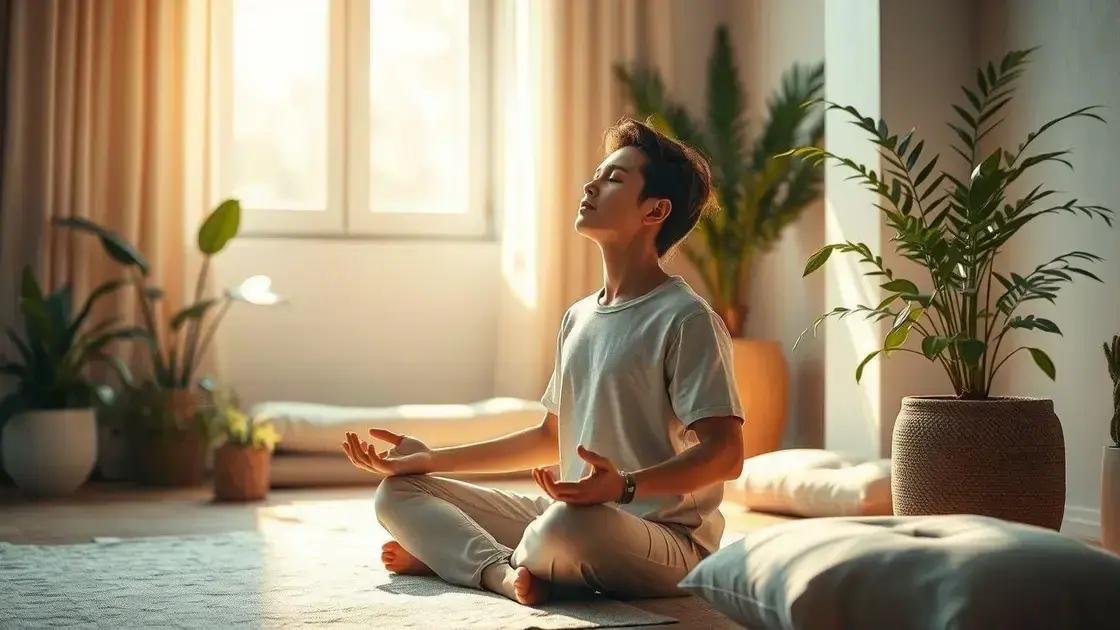
Breathing and meditation techniques are powerful tools to clear the mind and reduce stress. Slow, deep breathing activates the parasympathetic nervous system, which helps the body relax and lowers heart rate. This simple practice can be done anytime, even during short breaks.
Meditation encourages the focus on the present moment, reducing worries about the past or future. Techniques like guided meditation, body scans, or mindful breathing help train the mind to stay calm and centered.
Regular practice improves concentration, reduces anxiety, and supports emotional balance. It also creates space for creative thinking and problem-solving by quieting mental clutter.
Even a few minutes a day can make a big difference in how you handle daily pressures and improve overall mental clarity. Consistency is key to experiencing lasting benefits.
wege, um gesunde grenzen zu setzen und energie zu bewahren
Setting healthy boundaries is essential to protect your energy and reduce stress. It begins with understanding your limits and communicating them clearly to others, whether at work, with friends, or family.
Saying no without guilt is a powerful way to maintain personal balance. Prioritizing your well-being means recognizing when you need rest or time for yourself instead of agreeing to every request.
Creating routines that support downtime, like turning off devices or dedicating moments to hobbies, helps recharge your mind and body. It’s also important to identify toxic relationships or environments that drain energy and take steps to minimize their impact.
Assertive communication allows you to express your needs respectfully while maintaining your self-respect. Practicing this skill can improve relationships and reduce feelings of overwhelm. Remember, protecting your energy is a form of self-care that benefits your overall health and happiness.
Taking Control of Stress for a Healthier Life
Managing stress is a journey that involves understanding your body, practicing daily rituals, and knowing when to seek support. By paying attention to your nutrition, movement, and using techniques like breathing and meditation, you can create a stronger foundation for well-being.
Setting healthy boundaries and valuing your energy are key steps to living a balanced life. Remember, small changes lead to big improvements over time. Embrace these tips and take charge of your stress to feel more peaceful and energized every day.
FAQ – Stress management tips for women
What are simple daily habits to reduce stress?
Practicing mindful breathing, taking short breaks to stretch, maintaining a consistent sleep schedule, and journaling can help lower daily stress levels.
How does nutrition affect stress management?
Eating a balanced diet rich in whole foods supports your nervous system and energy levels, while avoiding excess caffeine and sugar reduces anxiety.
When should I consider seeking professional help for stress?
If stress causes persistent anxiety, mood swings, physical symptoms, or interferes with daily life, consulting a therapist or doctor is recommended.
How can breathing exercises improve mental clarity?
Deep, slow breathing activates relaxation responses, helping to calm the mind, reduce anxiety, and improve focus.
Why is setting boundaries important for managing stress?
Healthy boundaries protect your energy by helping you say no to extra demands and create time for rest and self-care.
What role does physical activity play in reducing stress?
Regular exercise releases mood-boosting endorphins, reduces muscle tension, and enhances sleep quality, all of which help manage stress effectively.