

Anxiety and mental health in women are influenced by hormonal changes, stress, and lifestyle habits, with symptoms ranging from mood swings to physical tension, and can be supported through natural methods like exercise, balanced nutrition, mindfulness, and social connections.
Angst, psychische Gesundheit, Frauen – viele spüren diese Verbindung, ohne genau zu wissen warum. Fühlst du dich oft emotional ausgelaugt oder weißt nicht, woher diese Unruhe kommt? Vielleicht bist du nicht allein, und es lohnt sich, genauer hinzuschauen.
wie sich angstgefühle bei frauen äußern
Anxiety in women can manifest in various ways, influencing both mind and body. It’s common for women to experience restlessness, irritability, or constant worry, which may not always be easy to recognize. Physical symptoms often include rapid heartbeat, muscle tension, and shortness of breath. These signs can sometimes be mistaken for other health issues, making it important to pay attention to recurring patterns.
Emotional symptoms such as difficulty concentrating, mood swings, and feelings of overwhelm are frequent but often dismissed. Many women report experiencing inner tension or an unexplained sense of dread without a clear cause. Sleep disturbances and fatigue can also be key indicators of anxiety.
It’s essential to note that anxiety can look different for each person. Some women might feel a constant low-level nervousness, while others could experience sudden panic attacks. Recognizing these variations can help in seeking timely support and managing symptoms effectively.
Understanding these manifestations allows for better communication with healthcare providers and loved ones, promoting empathy and encouraging proactive steps toward mental wellness.
psychische gesundheit verstehen: was beeinflusst sie wirklich
Mental health is shaped by a mix of factors, including genetics, environment, and lifestyle. Our brain chemistry and family history play a big role, but daily experiences and social connections also impact how we feel and cope.
Stressful situations like work pressure or relationship struggles can trigger or worsen mental health issues. On the other hand, supportive friendships and stable routines help build resilience and emotional balance.
Biological elements such as hormone levels, especially in women, influence mood and stress response. Imbalances can lead to feelings of anxiety or depression. Nutrition, exercise, and sleep quality also affect mental well-being significantly.
Recognizing key influencers
Eating well, staying active, and having strong social bonds can protect and improve your mental health. Mindfulness and relaxation techniques ease tension and promote calmness. It’s important to notice changes in mood or behavior and seek support if needed.
Understanding what affects your mental health helps you make choices that support your mind and body. This knowledge empowers women to take control of their well-being and find practical ways to thrive every day.
häufige auslöser und stille anzeichen von psychischen störungen
Mental health disorders often develop quietly, with subtle signs that can be easy to overlook. Common triggers include prolonged stress, trauma, hormonal changes, and social isolation. These factors may ignite or worsen conditions like anxiety and depression.
Many women experience silent symptoms such as persistent fatigue, unexplained irritability, or a loss of interest in daily activities. These changes don’t always appear dramatic but can seriously affect quality of life.
Recognizing subtle indicators
Watch for mood swings, sleep problems, difficulty concentrating, or unexplained physical complaints like headaches or stomach issues. These may signal an underlying mental health condition in progress.
Stressors such as work pressure, relationship conflicts, or hormonal shifts during menstrual cycles and menopause are frequent triggers in women. Being aware of these connections can help in early identification.
Early detection empowers women to seek appropriate support, making it easier to manage symptoms and prevent escalation. Regular self-check-ins and honest conversations with trusted people promote better mental health awareness.
natürliche methoden zur unterstützung der psychischen gesundheit
Supporting mental health naturally involves habits that nurture both mind and body. Regular physical activity like walking or yoga helps reduce anxiety and depression by releasing feel-good hormones.
Eating a balanced diet rich in fruits, vegetables, and omega-3 fatty acids plays a crucial role in brain function and mood regulation. Avoiding excessive caffeine and sugar can prevent mood swings and irritability.
Mindfulness and relaxation techniques
Practices such as meditation, deep breathing, and journaling boost emotional resilience by helping women stay grounded and manage stress.
Good sleep hygiene is essential. Aim for consistent sleep schedules and comfortable environments to improve overall mental well-being.
Connecting with supportive friends and family offers a strong safety net during tough times. Social interaction combats loneliness and provides a sense of belonging.
Herbal supplements like chamomile or lavender may also assist in calming the nervous system, but it’s important to consult a healthcare provider before starting any new treatment.
Integrating these natural methods can create a balanced approach that empowers women to maintain stable mental health with fewer side effects than some medications.
wie emotionale erschöpfung mit hormonellem gleichgewicht zusammenhängt
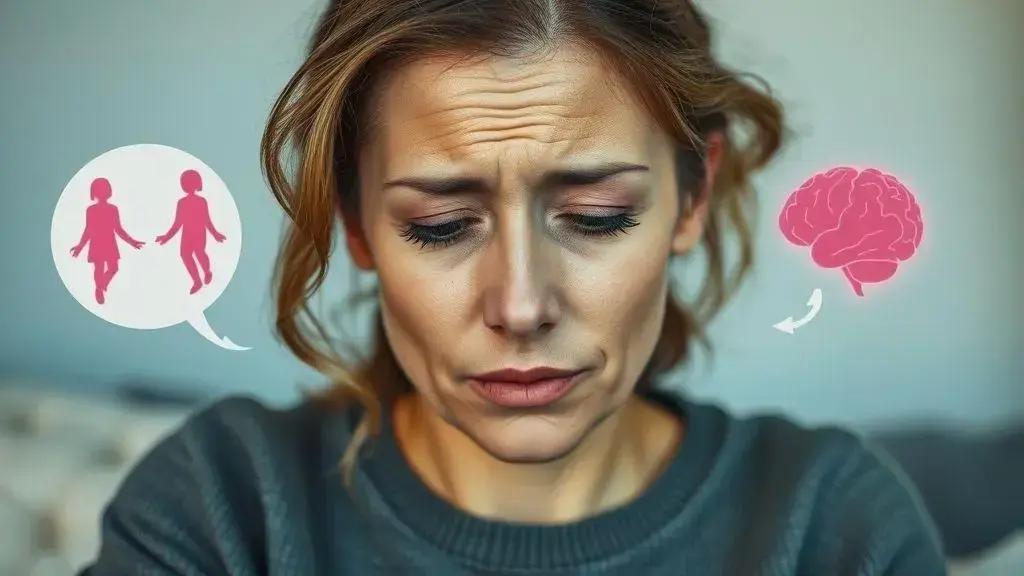
Emotional exhaustion often relates closely to hormonal balance in women. Hormones like estrogen and progesterone regulate mood, energy, and stress response. When these levels fluctuate, especially during menstrual cycles, pregnancy, or menopause, women may feel unusually tired or emotionally drained.
Hormonal imbalances can disrupt the brain’s ability to manage emotions, leading to feelings of irritability, anxiety, and mood swings. This state of constant emotional strain is known as emotional exhaustion and can affect everyday life significantly.
The role of stress hormones
Cortisol, the body’s stress hormone, also plays a crucial part. Chronic stress increases cortisol levels, which can further disturb the hormonal system, creating a cycle that worsens emotional exhaustion.
Women experiencing hormonal imbalance may notice difficulty sleeping, lack of focus, and low motivation, all signs linked with energy depletion both physically and mentally.
Maintaining hormonal balance through healthy diet, regular exercise, and stress management techniques supports emotional health. Understanding this connection helps women identify causes and seek appropriate care.
alltagsgewohnheiten, die angst und psychische herausforderungen lindern können
Daily habits greatly affect mental health and anxiety levels. Simple actions like consistent exercise help release endorphins, improving mood and reducing stress.
Maintaining a regular sleep schedule supports brain function and emotional balance. Aim for 7 to 9 hours of quality sleep to combat irritability and low energy.
Nutrition and hydration
Eating balanced meals and staying hydrated are essential. Nutrients such as magnesium, omega-3 fatty acids, and B vitamins promote brain health and calmness.
Mindful breathing and short meditation sessions during the day can help manage anxiety by bringing focus back to the present moment.
Limiting screen time and reducing exposure to negative news or social media also protect mental well-being.
Social connections play a vital role. Spending time with supportive friends or family members offers emotional relief and a sense of belonging.
Incorporating these habits regularly creates a foundation that eases anxiety and strengthens mental resilience over time.
Taking steps to support your mental health daily
Building healthy habits can make a big difference in managing anxiety and improving mental health. Small changes like regular exercise, good sleep, and staying connected help create balance in life.
It’s important to listen to your body and mind, and reach out for support when needed. Everyone’s journey is unique, but simple daily actions can empower you to feel stronger and more in control.
Remember, improving mental health is a process, and taking it one step at a time can lead to lasting benefits and a greater sense of well-being.
FAQ – Common Questions About Anxiety and Mental Health in Women
What are some common signs of anxiety in women?
Common signs include restlessness, irritability, rapid heartbeat, muscle tension, sleep disturbances, and mood swings.
How do hormones affect mental health in women?
Hormones like estrogen and progesterone influence mood and stress response. Fluctuations can cause mood swings, anxiety, and emotional exhaustion.
Can daily habits improve mental health and reduce anxiety?
Yes, regular exercise, balanced nutrition, good sleep, mindfulness practices, and strong social connections can all support mental well-being.
What are some natural methods to support mental health?
Activities like yoga, meditation, a healthy diet, sufficient sleep, and herbal supplements like chamomile may help improve mental health naturally.
How does emotional exhaustion relate to hormonal imbalance?
Hormonal imbalances can disrupt emotional regulation, leading to irritability, mood swings, anxiety, and feelings of emotional exhaustion.
When should I seek professional help for anxiety or mental health issues?
If anxiety or emotional symptoms interfere with daily life, cause significant distress, or persist over time, it’s important to seek support from a healthcare professional.