Anxiety in women often shows through hidden signs linked to hormonal changes, affecting both physical and emotional health and requiring awareness for timely natural or professional intervention.
Angst, versteckte Anzeichen, Frauengesundheit sind Themen, die viele Frauen betreffen – oft ohne dass sie es merken. Hast du dich schon mal gefragt, warum du dich innerlich unruhig oder erschöpft fühlst, ohne klare Ursache? Tauche mit mir ein und entdecke, was dein Körper dir vielleicht sagen will.
Was sind die häufigsten versteckten Anzeichen von Angst bei Frauen?
Anxiety often presents itself through hidden signs that are easy to overlook, especially in women. These signs can be subtle physical or emotional symptoms that don’t immediately suggest anxiety but have a significant impact on daily life. Common hidden signs include unexplained fatigue, frequent headaches, and persistent digestive issues like bloating or nausea.
In addition to physical symptoms, emotional signs like mood swings, irritability, and feelings of restlessness may be early indicators. Women might also experience difficulty concentrating or a constant sense of being overwhelmed, often mistaken for stress or burnout.
Sometimes, anxiety manifests as sleep disturbances such as trouble falling asleep or frequent waking during the night. Brain fog and a general sense of feeling unlike oneself can further complicate recognition of anxiety, as these symptoms overlap with hormonal changes common in women, especially over 30.
Because these signs are not always obvious, many women may ignore them or attribute them to other causes. Recognizing these hidden anxiety signals is crucial for taking steps toward better health and wellbeing.
Tracking these symptoms closely and understanding their patterns can help distinguish anxiety from other health issues. Consulting with a healthcare professional is recommended when these signs interfere with daily activities or well-being.
Wie beeinflusst Angst die Frauengesundheit langfristig?
Anxiety can have a significant long-term impact on women’s health, affecting both body and mind. Chronic anxiety triggers the body’s stress response, releasing hormones like cortisol which, if elevated for extended periods, may disrupt hormonal balance. This imbalance can lead to issues such as irregular menstrual cycles and worsened premenstrual symptoms.
Persistent anxiety is also linked to increased risks of developing cardiovascular problems due to elevated heart rate and blood pressure. Women experiencing long-term anxiety may report frequent headaches, muscle tension, and gastrointestinal disturbances.
Mental health is deeply affected as well; prolonged anxiety can contribute to depression, sleep disorders, and reduced cognitive function, including trouble concentrating or memory problems. This can affect work, relationships, and overall quality of life.
Additionally, anxiety can weaken the immune system, making women more vulnerable to infections and slower recovery times. It may also impact lifestyle choices negatively, such as poor nutrition, lack of exercise, or substance use, which further exacerbate health issues.
Understanding the broad influence of anxiety on female health is essential for seeking timely support and adopting strategies that promote balance and healing.
Die Verbindung zwischen Hormonen und Angstgefühlen verstehen
The link between hormones and anxiety is complex and significant, especially for women. Hormones like estrogen, progesterone, and cortisol play key roles in regulating mood and stress responses. Fluctuations in these hormones can directly influence feelings of anxiety.
During times of hormonal change such as menstruation, pregnancy, menopause, or thyroid imbalances, women often experience increased anxiety symptoms. For example, low estrogen levels may lead to mood swings and heightened nervousness.
Cortisol, known as the stress hormone, is released during anxiety and stress episodes. Prolonged elevated cortisol can disturb the balance of other hormones, leading to a vicious cycle that worsens anxiety symptoms.
Understanding this hormonal connection helps in recognizing why certain periods in a woman’s life bring more emotional challenges. It also opens the door to targeted treatments, including lifestyle changes, natural supplements, or medical interventions to stabilize hormone levels and reduce anxiety.
Tracking hormonal cycles and symptoms can provide valuable insights for managing anxiety more effectively and improving overall emotional health.
Natürliche Wege, um Angst und ihre Symptome zu lindern
Natural methods to ease anxiety and its symptoms often focus on balancing both mind and body. Gentle lifestyle changes can have a strong impact on reducing anxiety levels. Regular physical activity, such as walking or yoga, promotes the release of endorphins, which are natural mood lifters.
Mindfulness and meditation techniques help calm racing thoughts and improve emotional regulation. Simple breathing exercises can reduce immediate feelings of panic or stress and bring focus back to the present moment.
Nutrition also plays a crucial role. Foods rich in omega-3 fatty acids, magnesium, and B vitamins support brain health and hormone balance. Avoiding excessive caffeine and sugar can prevent mood swings and jitteriness linked to anxiety.
Herbal supplements like chamomile, lavender, and valerian root have been used traditionally to promote relaxation. However, it is recommended to consult with a healthcare provider before starting any supplement regimen.
Creating a consistent daily routine with enough rest and sleep helps the body recover and manage stress better. Small changes such as limiting screen time before bed can improve sleep quality and reduce anxiety-related insomnia.
Building a support system through friends, family, or support groups can provide emotional relief and reduce feelings of isolation often tied to anxiety.
Alltagsrituale, die das emotionale Gleichgewicht stärken
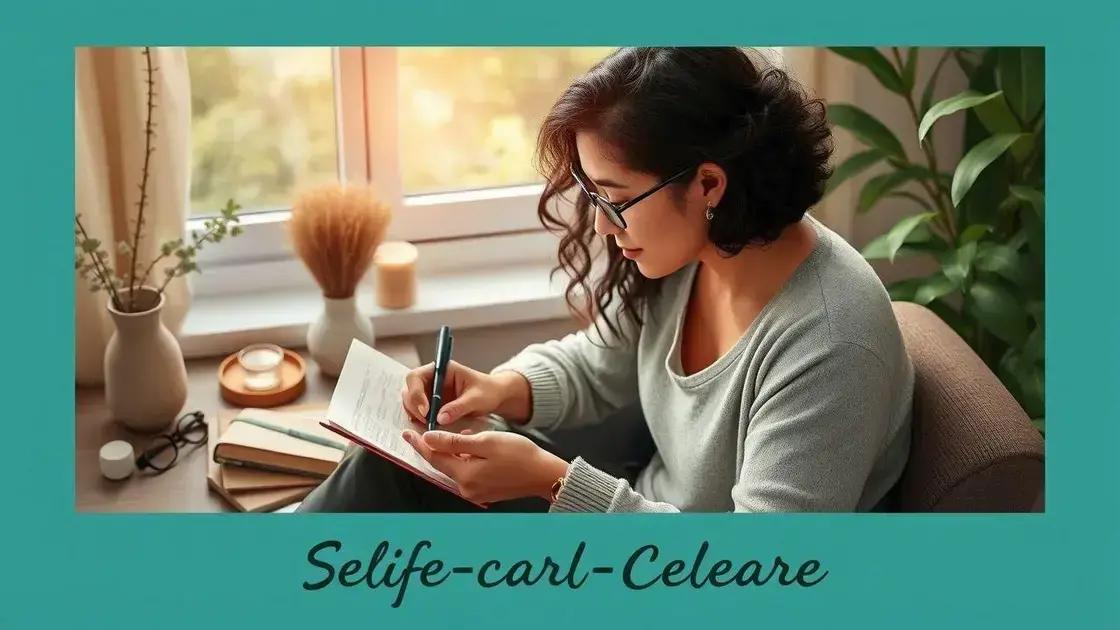
Daily rituals can play a powerful role in strengthening emotional balance and reducing anxiety. Simple habits like starting the day with deep breathing or a few minutes of meditation help set a calm tone. Creating a morning routine that includes positive affirmations or gratitude journaling can shift focus from stress to appreciation.
Incorporating small moments of mindfulness throughout the day eases tension. For example, taking short breaks to stretch, walk outdoors, or practice mindful eating encourages presence and reduces overwhelm.
Consistent sleep habits are crucial; going to bed and waking up at the same time supports the body’s natural rhythms and emotional resilience.
Connecting with others daily, whether through a quick phone call, text, or sharing a meal, helps maintain social support and combats feelings of isolation.
Engaging in a relaxing evening ritual like reading, light yoga, or listening to calming music signals the body to wind down and improves sleep quality.
Limiting screen time in the hours before bedtime can also help reduce anxiety by avoiding overstimulation.
These small, intentional daily practices build emotional strength over time and support overall mental well-being.
Wann professionelle Hilfe sinnvoll ist und wie man sie findet
Knowing when to seek professional help for anxiety is important for maintaining good health. If anxiety symptoms interfere with daily life, such as persistent worry, panic attacks, or inability to sleep, it may be time to consult a healthcare provider.
Professional support can include therapy, counseling, or medication prescribed by doctors or mental health specialists. Types of therapy like cognitive-behavioral therapy (CBT) have been proven effective for managing anxiety symptoms.
It is also helpful to seek help if self-care methods do not reduce anxiety or if feelings of hopelessness or depression arise. Early intervention can prevent worsening symptoms and improve quality of life.
To find professional help, start by talking to a primary care doctor who can provide referrals. Online directories, support groups, and mental health organizations also offer resources to identify licensed therapists or counselors.
Telehealth services make access easier for many, allowing virtual consultations from home. Remember, seeking help is a sign of strength and an important step towards emotional balance.
Understanding and managing anxiety is essential for women’s health
Anxiety often shows up in hidden ways that can affect both body and mind. Recognizing these signs early helps take control and seek the right support. Hormones play a key role in anxiety, and knowing how they affect emotions can guide better care.
Natural methods like mindfulness, healthy habits, and daily rituals are powerful tools to ease anxiety symptoms. However, sometimes professional help is needed, and reaching out is a strong and positive step.
By understanding anxiety’s effects and adopting healthy practices, women can improve their well-being and enjoy a better quality of life.
FAQ – Common Questions About Anxiety and Women’s Health
What are common hidden signs of anxiety in women?
Hidden signs include unexplained fatigue, mood swings, sleep problems, digestive issues, and difficulty concentrating.
How do hormones affect anxiety in women?
Hormonal changes can impact mood and stress levels, often increasing anxiety during menstruation, pregnancy, or menopause.
Can natural methods really help reduce anxiety symptoms?
Yes, natural methods like exercise, mindfulness, balanced nutrition, and herbal supplements can help ease anxiety.
When should I seek professional help for anxiety?
If anxiety disrupts daily life, causes panic attacks, or does not improve with self-care, professional support is recommended.
What types of professional treatments are available for anxiety?
Treatments include therapy such as cognitive-behavioral therapy (CBT), counseling, and sometimes medication prescribed by healthcare providers.
How can daily rituals support emotional balance?
Daily rituals like meditation, journaling, consistent sleep, and social connection help reduce stress and maintain emotional well-being.